Song Meaning
The narrator opens with a comforting image of night and stars, framing them as steadfast companions, much like a lover who stays present through darkness and vulnerability. This sets a tone of gentle reassurance, a stark contrast to the internal struggle that follows. The speaker admits to biting their tongue in silence, a physical manifestation of holding back words or emotions while searching for a sense of grace and past memories. There's a palpable weight of regret concerning the pain and confusion the narrator carried at the listener's age, suggesting a shared history of hardship.
The core tension emerges from the narrator's confession of wrongdoing towards someone named Tamar. They express deep regret for taking Tamar as their own and then abandoning them, leaving them isolated. The admission, "I know I ain't right," coupled with the self-awareness of "Pushing you into my fight," reveals a profound sense of guilt and inadequacy. The narrator acknowledges their failure to provide proper support, stating, "I don't give like I should," and even expresses a desire to escape the situation if possible, "I would run if I could."
The most striking aspect of the lyrics is the narrator's projection onto Tamar, whom they describe as their "blind reflection." This suggests Tamar became a vessel for the narrator's own "summer tragedy," a way to process their pain by comparing Tamar's tears to their own confession. The desire for "her story to be mine" highlights a desperate attempt to rewrite or understand their past through another's experience, revealing a deep-seated self-absorption born from their own suffering. This complex dynamic underscores the narrator's internal conflict and their flawed coping mechanisms.
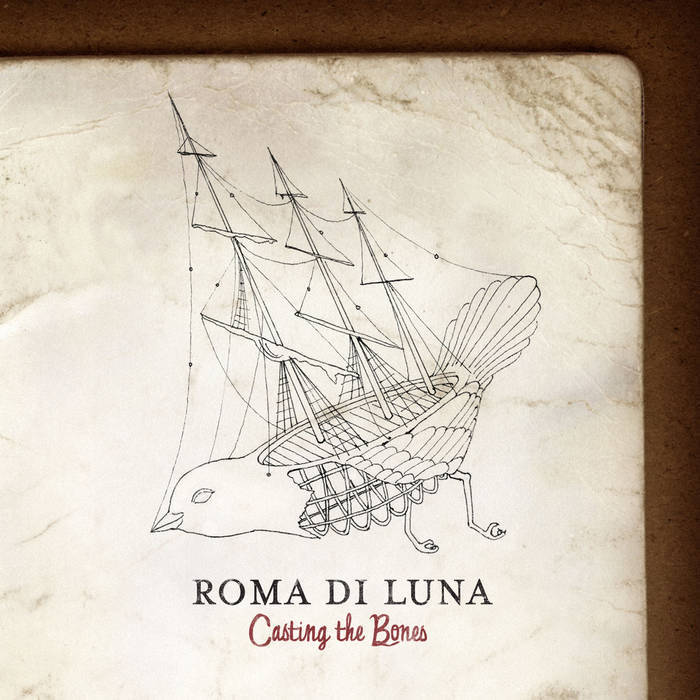
Ultimately, these lyrics resonate because of their raw honesty about regret and self-deception. The narrator's journey toward acknowledging their mistakes, particularly the harmful impact on Tamar, is laid bare. The closing lines, "Tomorrow I will follow the sparrow, / Lay down all my sorrow," signal a hopeful, albeit tentative, commitment to moving forward and shedding the burden of their past actions. The final assertion, "I'm not fooling you or me, / I do still believe," suggests a flicker of hope and a genuine desire for redemption, even amidst profound self-awareness of their failings.
 View Artist