Song Meaning
The lyrics paint a stark picture of a relationship strained by one partner's restless, unyielding nature. The narrator observes a person who has lived for nearly two decades, has a family and a large house, yet refuses to change. This individual wants to keep the narrator "on the side," a demand that leads to the narrator's ultimatum: "If you do that, please go. You are free."
The central tension lies in the narrator's decision to release the other person, acknowledging their inherent wildness. The repeated phrase "Zieh mit dem Wind" (Go with the wind) becomes a powerful metaphor for this untamed spirit. The narrator states, "I won't hold you anymore. You are his child. He drives you before him." This suggests a recognition that the other person is fundamentally controlled by external forces or an internal restlessness that cannot be contained.
The most striking craft element is the poignant warning embedded within the release: "Just remember that the wind also turns." This line introduces a subtle but crucial counterpoint to the idea of perpetual movement. It implies that the freedom the other person seeks might be temporary, and that the forces driving them could shift, potentially leaving them isolated. The lyrics also highlight the irony that the "wind" gives them "everything, only not what you want," framing their pursuit as ultimately unfulfilling.
What makes these lyrics resonate is their unflinching portrayal of a difficult choice and a painful acceptance. The narrator isn't just ending a relationship; they are acknowledging the other person's nature as something beyond their control, a force of nature in itself. The final lines, "Whoever wants too much from life, stays alone," offer a somber reflection on the consequences of such a life, grounding the emotional release in a stark, almost fatalistic observation about human desire and its potential pitfalls.
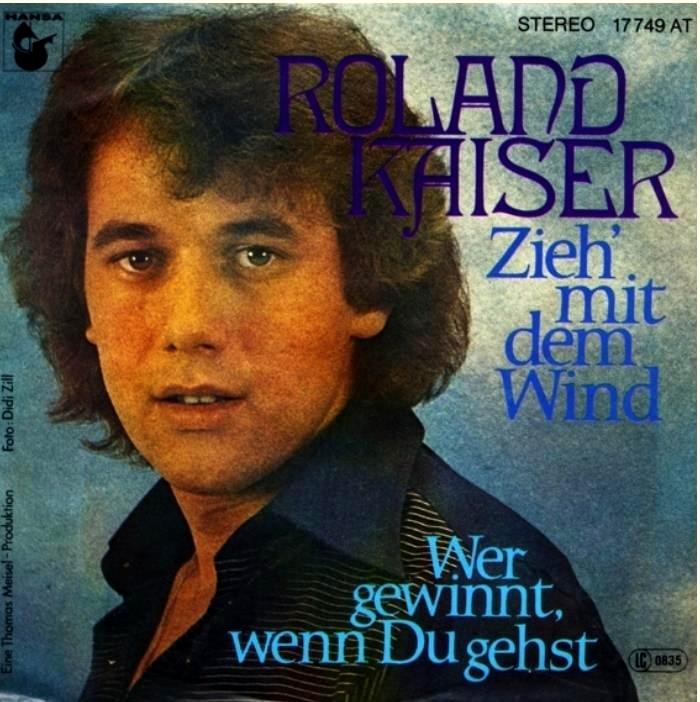
 View Artist