Song Meaning
Roky Erickson's "I Look at the Moon" isn't just a simple gaze skyward; it's a fragile transmission from a mind navigating inner turmoil. The moon, and later the star, act as celestial messengers, urging a connection: "tells me to look at you." This repeated directive suggests a desperate need for grounding, for an anchor in another person's presence. The simplicity of the lyrics belies the complex emotional landscape Erickson often inhabited, hinting at a longing for connection as a means of escape. The song meaning revolves around the power of external forces—here, personified by the cosmos—to guide us toward human solace.
The verses introduce a darker undercurrent, acknowledging potential fear: "Now it could have been a scary night." But instead of succumbing, the narrator seeks refuge in the act of creation, offering "a tune of the grackle." This image, juxtaposed with "a wolf howling at the moon," paints a picture of vulnerability countered by artistic expression. The grackle, an often-overlooked bird, becomes a symbol of quiet strength, a personal offering in the face of primal fear. The howling wolf, a classic symbol of isolation and wildness, is acknowledged but ultimately rendered less threatening through the act of shared observation.
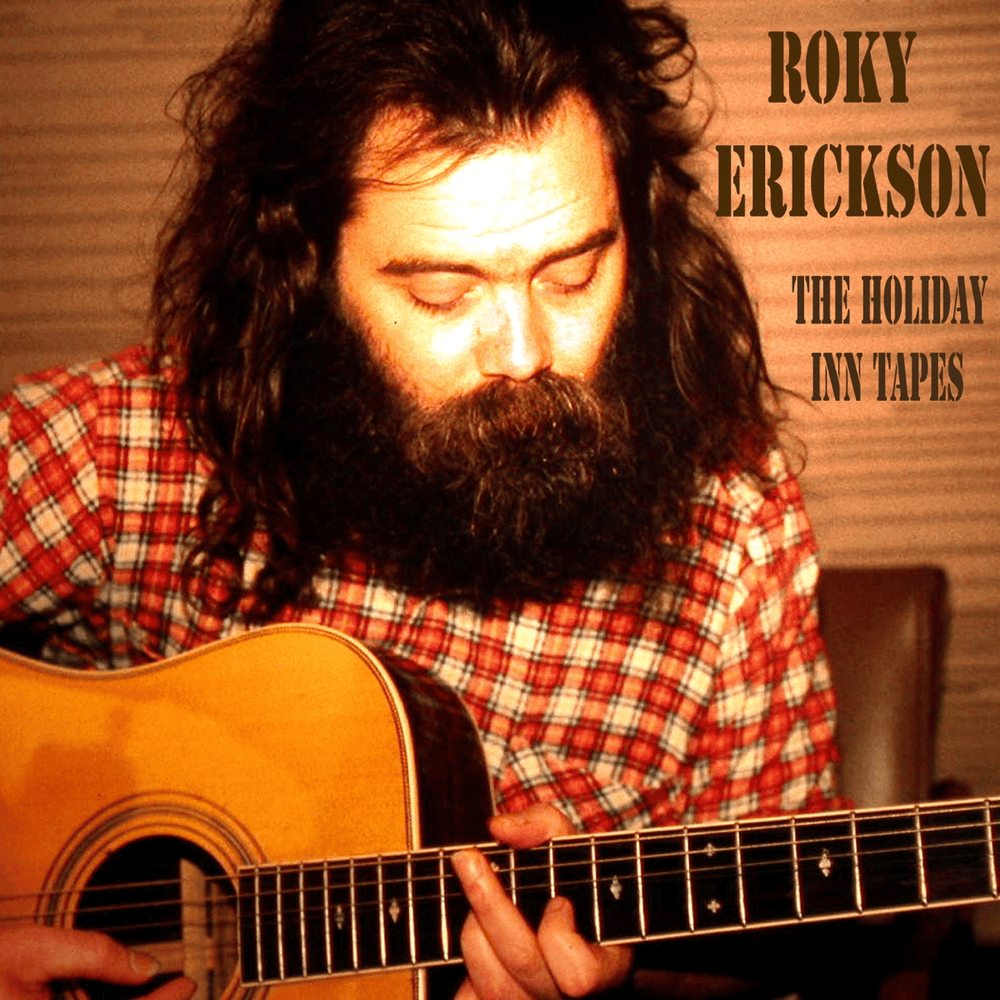
The repetition of "Dogs and wolves / Sometimes used to howl at the moon / But they don't worry us still" reinforces the idea that the narrator has found a way to neutralize his fears. The moon, once a silent observer of primal anxieties, now reflects a sense of hard-won peace. The final lines, "They don't worry us still / I look at the moon," suggest a cyclical process of confronting fear and finding solace in simple, shared observation. In the context of Roky Erickson's life and struggles, "I Look at the Moon" becomes a powerful testament to the enduring human need for connection and the transformative power of art in the face of darkness.
 View Artist