Song Meaning
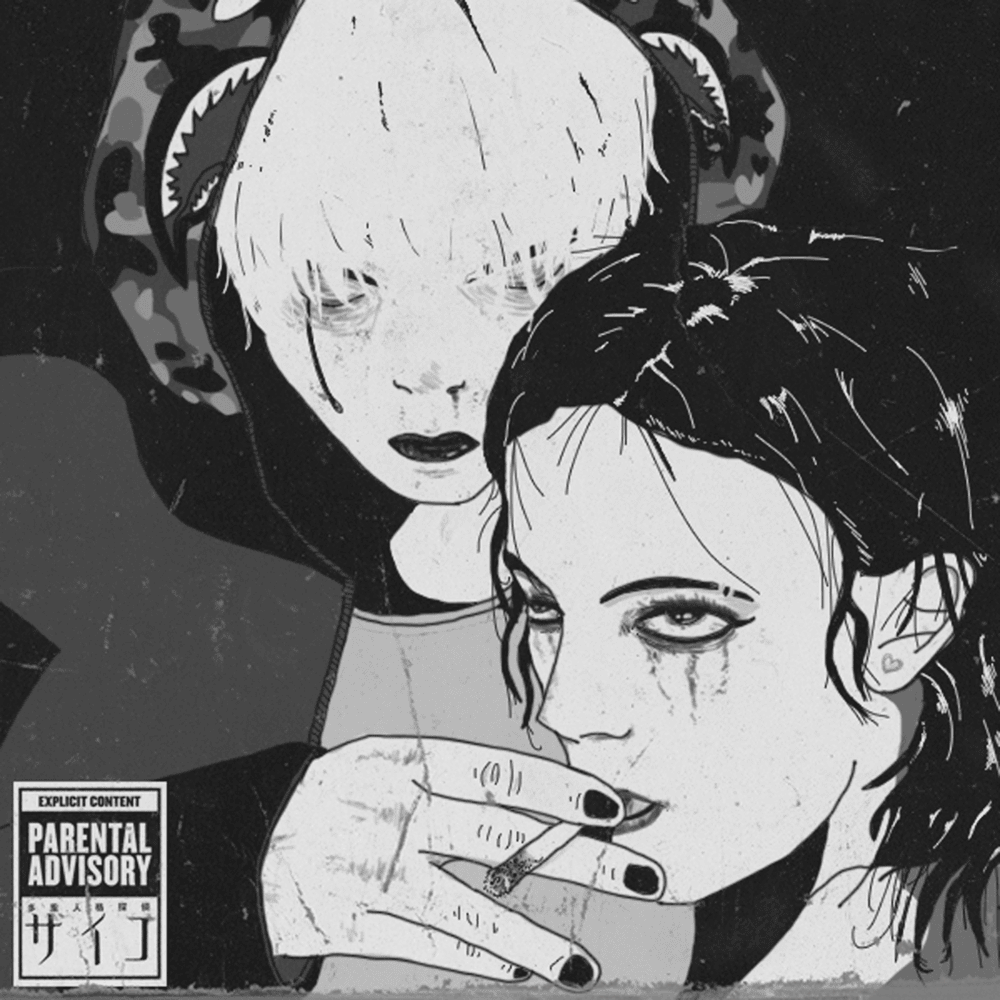
The lyrics paint a picture of a relationship teetering on the edge of destruction, steeped in a dark, almost fatalistic atmosphere. The narrator directly addresses a "suicide girl," acknowledging a profound disconnect and a shared descent into a destructive cycle. There's a chilling prediction of violence, both self-inflicted and directed at the narrator, creating an immediate sense of dread and foreboding. The repeated phrase "Ya nada va bien" (Nothing is going well anymore) underscores the hopelessness that permeates the situation.
The central tension lies in the narrator's plea to be released, "Bebé, sueltame la mano" (Baby, let go of my hand), repeated insistently throughout the chorus. This isn't a plea for comfort or connection, but a desperate request for separation from a destructive force. The imagery of the revolver and the self-immolation described in the first verse, "Quemó con fuego todo su cutis" (Burned her skin with fire), suggests a violent, self-destructive impulse that the narrator feels trapped by. The narrator's own body is described as being "escondido en una bolsa" (hidden in a bag), hinting at a literal or metaphorical death at the hands of this person.
The lyrics masterfully use contrasting imagery to highlight the dangerous allure of the subject. She's described with physically striking, almost doll-like features – "Moflete rosa" (pink cheek), "Labios en lila" (lips in lilac), "Pupilas rojas" (red pupils) – juxtaposed with her dangerous nature, "Ella es peligrosa" (She is dangerous) and "Ella es el diablo" (She is the devil). This creates a disturbing fascination, drawing the listener into the narrator's predicament. The narrator's desire for a "nueva vida" (new life) while simultaneously asking not to call the police when "No llames a la policía" (Don't call the police) reveals a complex mix of fear and a strange, perhaps Stockholm-syndrome-like, entanglement.
This song's power comes from its unflinching portrayal of a toxic dynamic where love and destruction are intertwined. The stark, almost clinical descriptions of violence, coupled with the desperate, repeated plea for release, create a visceral sense of being trapped in a relationship that is both captivating and deadly. The narrator's internal conflict – wanting to escape but seemingly unable to fully sever ties or call for help – makes the emotional weight of the lyrics incredibly potent.
 View Artist