Song Meaning
The lyrics paint a stark picture of a relationship where one person has offered comfort, described as a "bed of roses," only to be met with inaction or a refusal to reciprocate. This is immediately contrasted with the narrator's own experience of enduring hardship, a "bed of nails" they "just live there too," highlighting a profound imbalance in their shared reality. The repetition of "Some bed of roses I have given you" emphasizes the narrator's persistent, perhaps futile, attempts to provide solace.
The central tension lies in the narrator's plea for the other person to "stand up," implying a need for them to acknowledge the situation, take responsibility, or perhaps even reciprocate the effort. The narrator's own admission, "I know I won't be just fine" if they were to leave, reveals a deep personal stake and vulnerability, suggesting the relationship, despite its difficulties, is a significant anchor, even if it's a painful one. The phrase "I want to be on the right end" further underscores this desire for equilibrium and fairness.
The most striking craft element is the direct juxtaposition of "bed of roses" and "bed of nails." This isn't just a metaphor for good and bad times; it's a statement about what has been *given* versus what is *experienced*. The narrator has provided the pleasant, yet the other person remains stagnant, while the narrator themselves inhabits the painful space. The repeated "I guess, I guess, I guess" and "a guest, a guest, a guest" convey a sense of resigned, almost detached observation of this morbid reality.
This lyrical construction is effective because it grounds abstract emotional pain in concrete, visceral imagery. The contrast is sharp and unforgiving, making the narrator's plea for reciprocity feel urgent and earned. The final "answer my dying wish" elevates the request from a simple relationship dynamic to a matter of existential survival, leaving the listener with a potent sense of unresolved desperation.
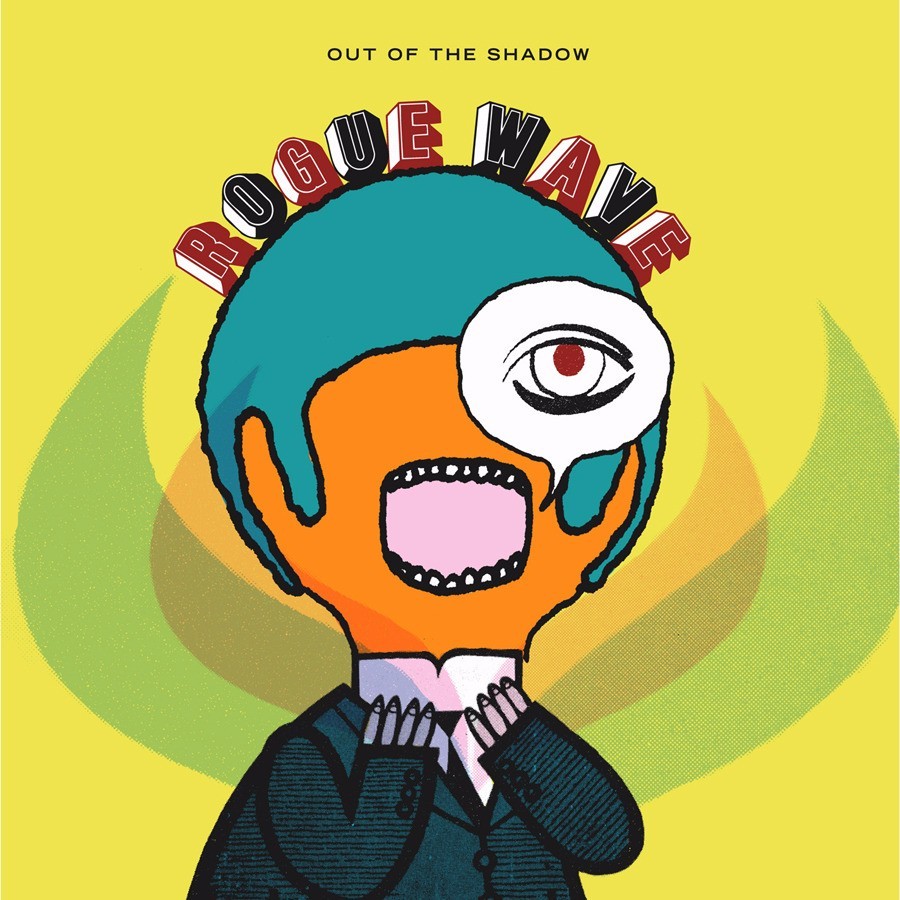
 View Artist