Song Meaning
The narrator directly addresses a question about the depth of their need, immediately framing it with a powerful, naturalistic image: needing someone "like roses need rain." This sets a tone of essential, life-giving dependence. The core of the song lies in the speaker's response to inquiries about the duration of their love, a question met not with a simple timeframe but with a series of impossible, poetic conditions.
The central tension arises from the contrast between the direct questions about need and duration and the narrator's elaborate, almost fantastical answers. The phrase "the twelfth of never" functions as the ultimate, impossible deadline, a concept so abstract it signifies eternity. This is reinforced by a cascade of equally improbable scenarios: "blue bells forget to bloom," "clover has lost its perfume," and "poets run out of rhyme." These aren't just metaphors for a long time; they're declarations of love that will outlast the very essence of nature and art.
The craft here is in the sustained hyperbole and the specific, evocative imagery chosen to represent the impossible. The comparison of love's duration to the cessation of natural cycles and creative output is particularly striking. The repetition of "Hold me close" grounds the abstract declarations in a plea for physical intimacy, suggesting that this profound, eternal love is also deeply personal and present. The final lines, emphasizing "a long long time," underscore the immense, almost overwhelming scale of the commitment being declared.
What makes these lyrics hit so hard is their ability to translate an abstract concept like eternal love into tangible, albeit impossible, natural and artistic events. The narrator isn't just saying they'll love forever; they're painting a picture of a world where fundamental elements cease to exist before their love does. This grand, poetic gesture, combined with the intimate plea to "hold me close," creates a powerful emotional resonance, making the declaration feel both epic and deeply personal.
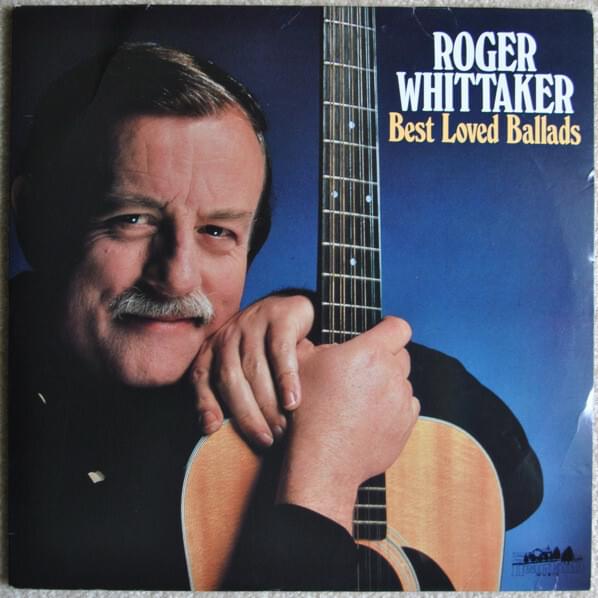
 View Artist