Song Meaning
The lyrics paint a tender scene of humble adoration before a newborn King. A procession of visitors, each bringing their finest gifts, arrives to pay homage. Their repetitive chant, "pa-rum pum pum pum," underscores the communal, almost ritualistic nature of their pilgrimage, emphasizing the shared purpose of honoring the infant ruler with whatever they possess. This initial tableau sets a tone of reverence and collective offering.
The central tension emerges with the arrival of the "poor boy" who, unlike the others, has no material gift to offer. His repeated phrase, "I am a poor boy too," highlights his perceived inadequacy in the face of the grand occasion. This creates a poignant moment of self-doubt, as he grapples with how to contribute when his resources are so limited, contrasting sharply with the "finest gifts" brought by others.
The most striking element is the boy's solution: offering his music. The repetitive "pa-rum pum pum pum" transforms from a communal chant to the sound of his drum, a personal offering. The lyrics suggest a profound connection is forged when "Mary nodded" and "The Ox and Lamb kept time," as if the very elements of the stable acknowledge his unique gift. The repeated phrase "pa-rum pum pum pum" becomes the sound of his earnest effort, culminating in the powerful image of the baby's smile directed at him and his drum.
This exchange is deeply effective because it elevates a simple, heartfelt act above material wealth. The boy's vulnerability and subsequent offering of his sole talent resonate, suggesting that genuine devotion, expressed through one's unique abilities, is the most precious gift of all. The final image of the baby smiling directly at the drummer boy solidifies the profound impact of his simple, honest performance, making his contribution unforgettable.
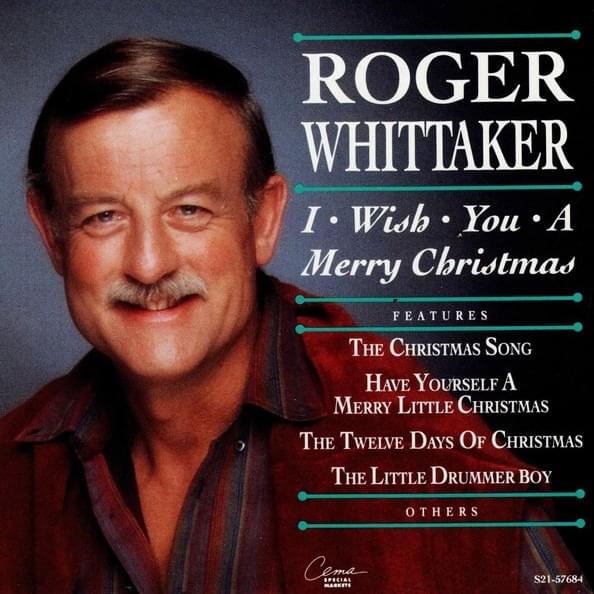
 View Artist