Song Meaning
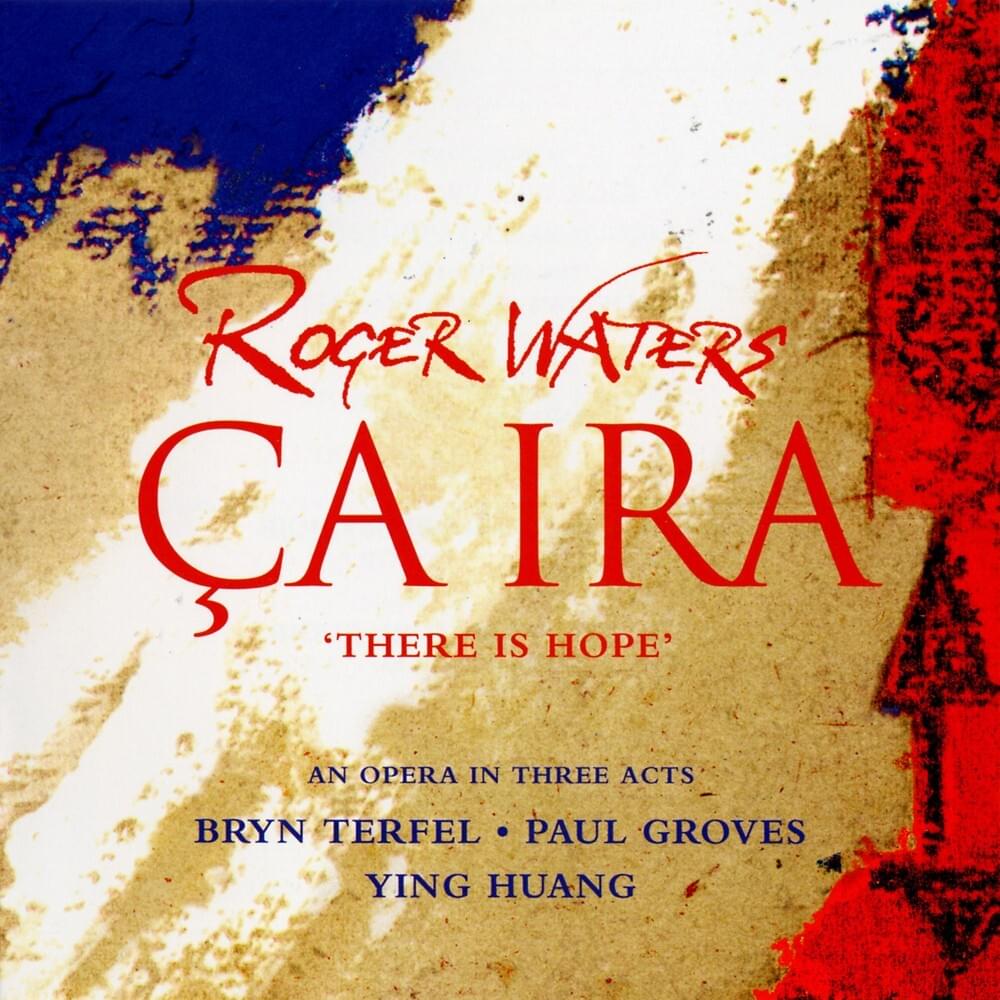
Roger Waters, the sonic architect behind Pink Floyd's most ambitious concepts, returns to familiar territory with "To Freeze in the Dead of Night..." The song, steeped in revolutionary fervor and religious imagery, sounds like a direct descendant of *The Wall*'s more politically charged moments, albeit filtered through a lens of weary, world-wise cynicism. It's not just protest; it's a lament for lost ideals and the cyclical nature of oppression. The lyrics paint a picture of a 'Revolutionary Priest,' a figure caught between spiritual conviction and the harsh realities of societal injustice. This priest isn't offering simple platitudes; he's wading through the 'crucible brine,' a potent metaphor for the agonizing process of forging new beliefs from the raw materials of suffering.
The 'crucible' itself is central to understanding the song meaning. It’s a place of intense heat and pressure, where old forms are melted down and reshaped. Here, 'sorrow and rage entwine,' suggesting that both are necessary ingredients for revolutionary change. The priest's words, described as 'falling rain,' offer solace and extinguish the flames of despair, but they also serve a more transformative purpose: to cool the crucible and allow a new 'idea' to solidify. This idea, 'a nugget of belief in the hearts of the poor,' hints at the possibility of empowerment and a challenge to the established order.
Ultimately, "To Freeze in the Dead of Night..." isn’t a simplistic call to arms. The final lines – 'maybe in the dawn's new light, they have a right to the law' – are laced with uncertainty. The 'maybe' acknowledges the immense challenges facing those who seek to overthrow oppressive systems. Waters isn't promising a utopian future; he's offering a glimmer of hope tempered by the understanding that the fight for justice is a long and arduous one. The song, in its brief lyrical space, encapsulates the eternal tension between faith, revolution, and the slow, grinding wheels of societal change.
 View Artist