Song Meaning
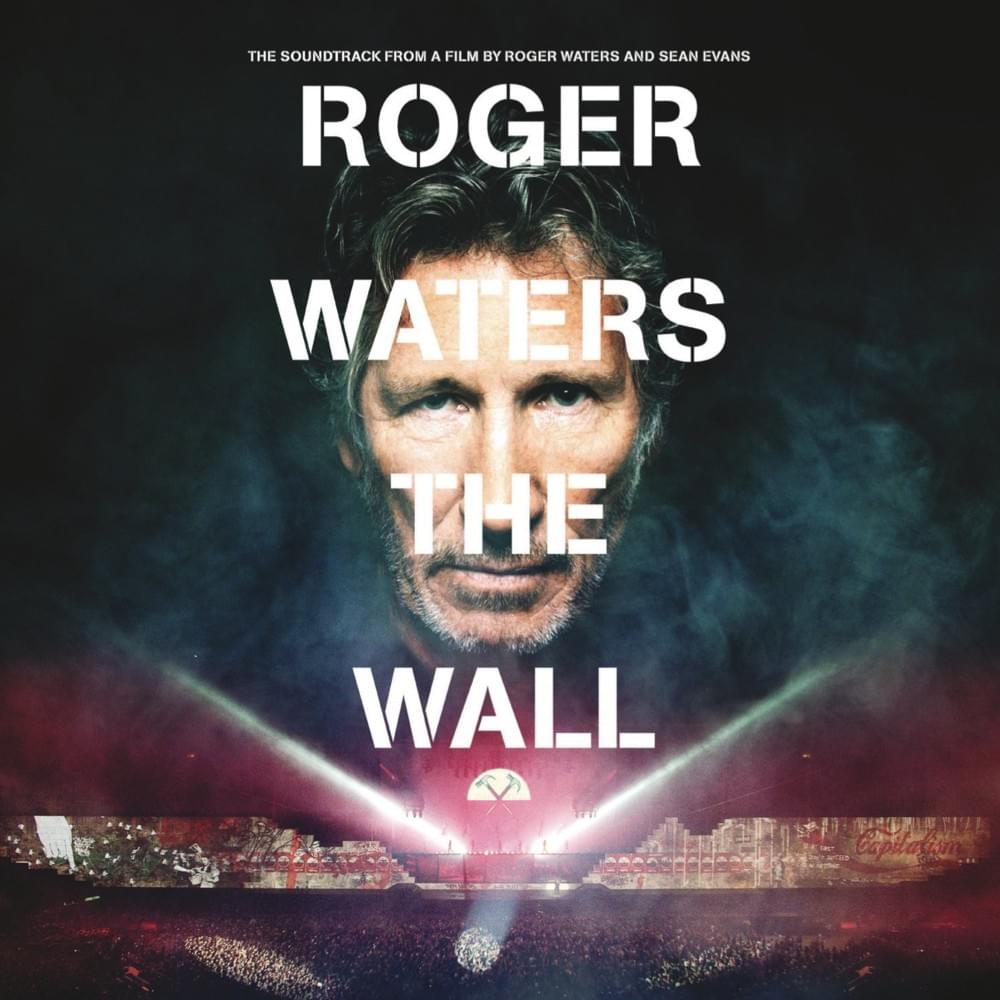
Roger Waters' "The Show Must Go On - Live" isn't just a theatrical platitude; it's a raw scream from the depths of existential dread, amplified by the stage lights. The song, delivered with haunting urgency, explores the agonizing conflict between forced performance and the desperate desire for escape. It's a question posed with palpable fear: at what cost does the performance continue? The operatic intro, with its plaintive cries of "Ooh-ma, ooh-pa," immediately establishes a tone of childlike vulnerability and a yearning for parental comfort, a primal scream echoing through the arena. This sets the stage for the performer's internal struggle.
The lyrics themselves paint a portrait of someone trapped, pinned under the weight of expectation. The opening lines, "Do I have to stand up / Wild eyed in the spotlight / What a nightmare," convey a visceral aversion to the very act of performing. It's not stage fright; it's a deeper, more profound rejection of the role being forced upon him. The repeated question, "Why don't I turn and run, turn and run?" becomes a mantra of desperation, a futile attempt to break free from the invisible chains that bind him to the stage. The plea to "take me home, take me home, take me home" is not merely a desire for physical relocation, but a yearning for a return to a state of innocence, a place of safety and authenticity.
The song's analysis deepens as the lyrics reveal a sense of having been exploited, of having one's soul taken. "There must be some mistake / I didn't mean to let them / Take away my soul" suggests a Faustian bargain, a slow erosion of self in the service of the performance. The question "Am I too old, is it too late?" introduces a note of resignation, the fear that the damage is irreversible. The recurring motif of forgetting – "Where has the feeling gone?" and "Will I remember the song?" – implies a loss of connection to the original passion, replaced by a hollow mimicry. Ultimately, "The Show Must Go On" becomes a chilling examination of the price of fame and the potential for self-annihilation when the line between performer and person blurs.
 View Artist