Song Meaning
The lyrics paint a universal picture of happiness as the ultimate human pursuit, a constant craving from birth to death. It's presented as an elusive, intangible state, sought after in all circumstances, whether in "time of peace" or "times of war." The narrator emphasizes that despite its universal desire, happiness is not easily pinned down, existing as a "state of grace" or a "state of mind," a specific "point in space" or "point in time." This initial framing establishes happiness not as a simple emotion, but as a fundamental, deeply ingrained human need that transcends external conditions.
The core tension lies in the paradox of happiness: it's universally needed yet incredibly difficult to grasp or define. The lyrics state directly that "happiness is what you need" and "all around," yet immediately counter this by saying "it can't easily be found." This elusiveness is further highlighted by the assertion that "happiness just can't be bought" and "just can't be taught," suggesting its value lies beyond material wealth or learned behavior. The repetition of "it can't easily be found" underscores the struggle and the inherent difficulty in attaining this desired state.
One of the most striking craft elements is the deliberate use of contrasting concepts to define happiness by what it is not, or by the conditions under which it is sought. It's desired in "time of peace" and "times of war," and the lyrics acknowledge that "with every up - must come a down." This cyclical view suggests that happiness isn't a permanent, static condition, but rather something to be experienced amidst life's inevitable fluctuations. The phrase "Some have it all / But still have less" powerfully illustrates that material or external success doesn't guarantee this internal state, reinforcing its unique and non-material nature.
Ultimately, the lyrics resonate because they acknowledge the inherent difficulty and mystery surrounding happiness. By framing it as a fundamental, unbuyable, and untaught necessity that exists alongside life's struggles, the song offers a sense of shared experience. The concluding lines, "Enjoy the laughter and the tears / Of happiness," suggest that true appreciation comes from embracing the full spectrum of human emotion, rather than seeking a perpetual, unattainable bliss. This perspective grounds the abstract concept in the reality of lived experience, making the pursuit feel more authentic and less like an impossible quest.
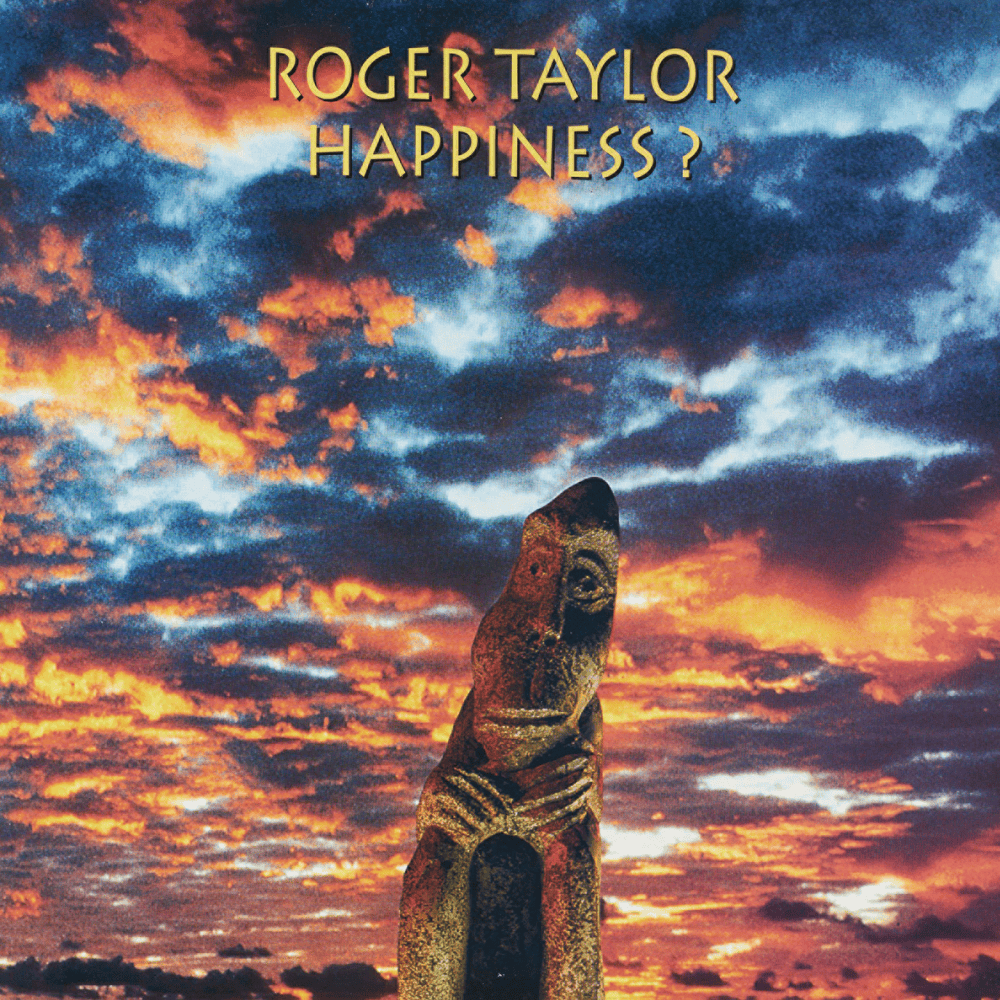
 View Artist