Song Meaning
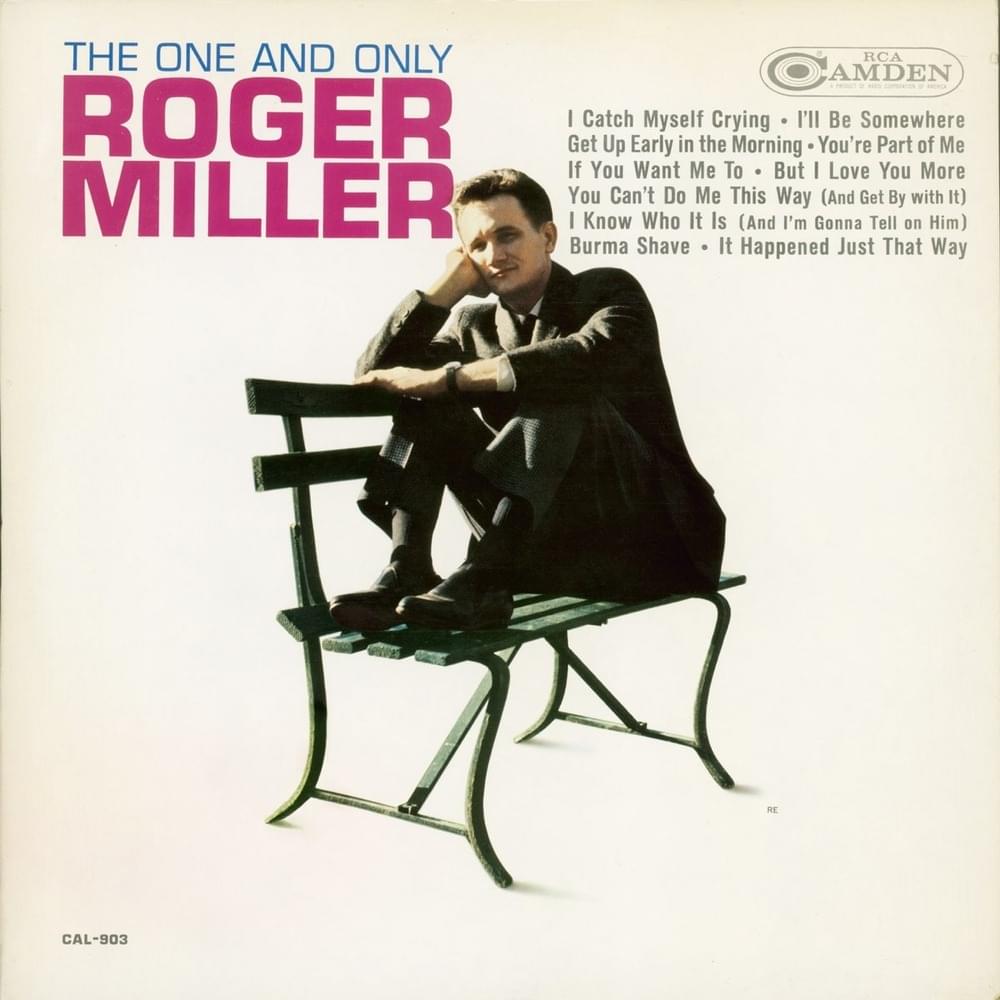
Roger Miller's "You Can't Do Me This Way" isn't just a plaintive country lament; it's a masterclass in passive aggression disguised as a plea. The song's core revolves around the singer's repeated assertion that he can't be treated in such a manner, yet the lyrics drip with the acceptance of precisely that treatment. He's caught in a cycle of hurt and betrayal, acknowledging the pain ("You don't care how I hurt / You don't care how I've cried") while simultaneously begging for a modicum of decency. The repetition of the title phrase underscores the internal conflict: a desperate attempt to establish boundaries that are constantly being violated. It's less a threat and more a weary declaration of emotional exhaustion.
The initial verses establish a foundation of deception and disregard. The line "everything you tell me is a lie" highlights a relationship built on falsehoods, suggesting a deep-seated lack of respect. Yet, instead of walking away, the singer remains, clinging to the hope of change. The chorus reveals the initial allure of the relationship, the "thirst for love" quenched by "sweet charms." However, this initial satisfaction is quickly overshadowed by infidelity, as the partner "lend[s] yourself to someone else's arms." This betrayal is not met with rage or defiance but with a pathetic request: "If you can't treat me right well at least won't you give me a try."
The psychological complexity of "You Can't Do Me This Way" lies in this inherent contradiction. The singer is aware of the toxic dynamic, yet he's unable to break free. He's trapped in a pattern of seeking validation from someone who consistently withholds it. The song becomes a study in self-deception, a desperate attempt to rationalize staying in a relationship that's clearly detrimental. It's a raw, honest portrayal of the lengths to which people will go to avoid loneliness, even if it means sacrificing their own well-being. Miller's delivery, tinged with a world-weary resignation, amplifies the song's emotional impact, transforming a simple country tune into a poignant exploration of love, loss, and the human capacity for self-inflicted pain.
 View Artist