Song Meaning
Roger Miller's "When a House Is Not a Home" isn't just a country lament; it's a stark psychological portrait of grief and the hollow echo of absence. The opening lines, "I walk up to my door and hate to turn the key/ Emptiness is all that waits inside for me," immediately establish the home as a site of pain, not comfort. The simple act of unlocking the door becomes an exercise in dread, a confrontation with the void left by a lost love. Miller isn't singing about bricks and mortar; he's exploring the architecture of despair. The repeated line, "That's how it is when your house is not a home," underscores the central theme: a house, devoid of emotional connection, is merely a shell.
The lyrics cleverly weaponize the familiar. The observation that "things [are] marked with his and hers" isn't a sentimental memory; it's a fresh wound. These remnants of shared life now serve as constant reminders of what's been lost. The song subtly suggests how deeply intertwined our identities become within a relationship, and how the dissolution of that bond can unravel our sense of self. Miller's voice, typically known for its wit and charm, carries a palpable weariness here, enhancing the feeling of isolation. He sings with the tone of a man resigned to his fate, trapped within the confines of his own sorrow.
The final verse elevates the song beyond personal heartbreak, touching on the universal experience of loneliness. The line "Each day I live I'm like a prisoner passin' time" is a particularly powerful image, conveying the sense of being trapped in a joyless routine. The question "Is there a way up for a soul so torn as mine" isn't answered, leaving the listener with the unsettling feeling that some wounds may never fully heal. Ultimately, "When a House Is Not a Home" resonates because it acknowledges the profound psychological impact of loss, transforming a simple country song into a haunting exploration of the human condition.
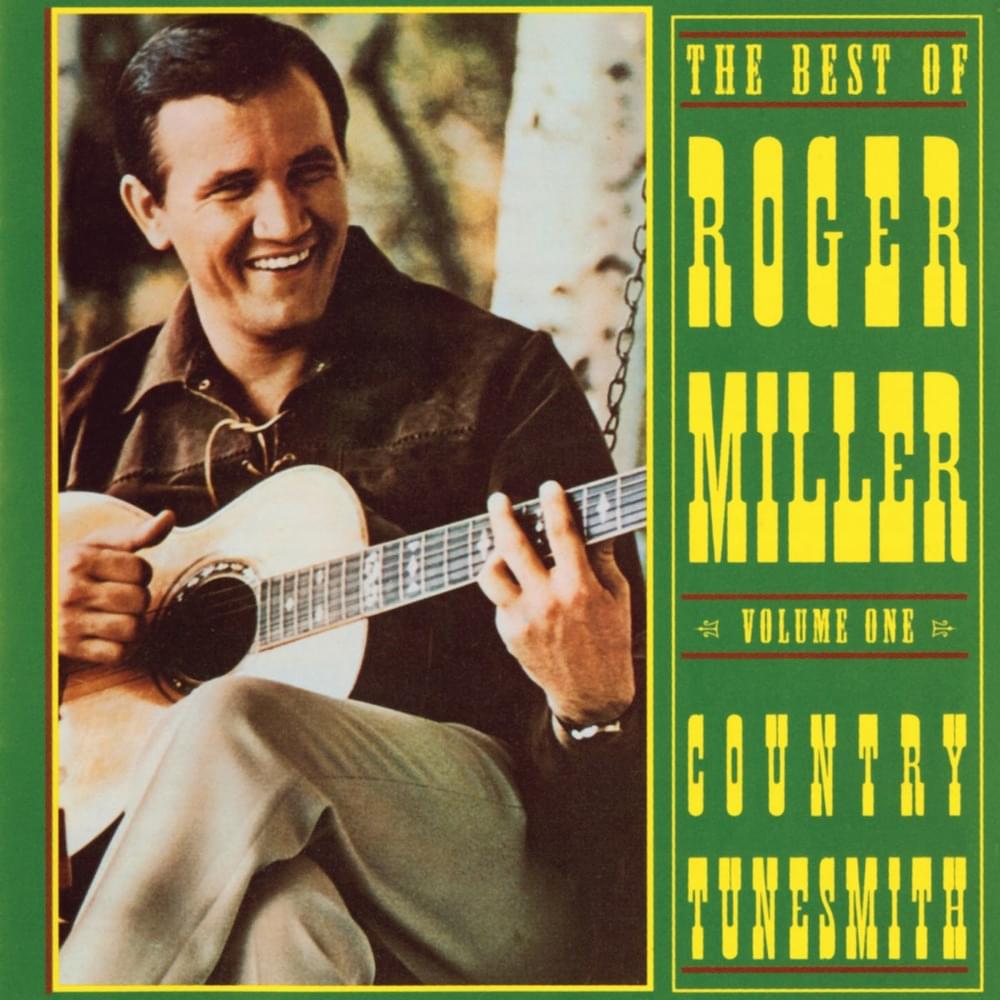
 View Artist