Song Meaning
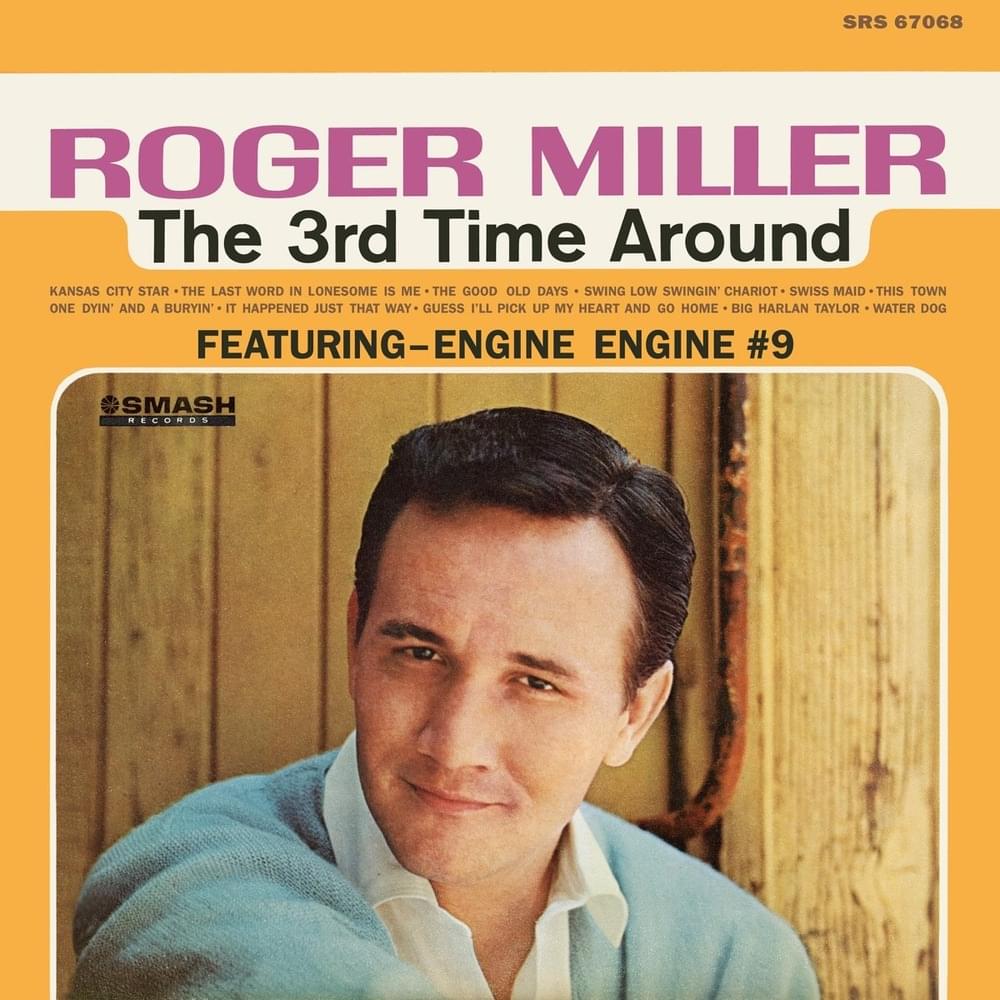
{"song_id": 12927946, "meaning": "Roger Miller's \"The Good Old Days\" isn't so much a song as a time capsule, meticulously crafted from sepia-toned nostalgia. It's a sonic scrapbook of the roaring twenties, a lighthearted, almost manic, recitation of cultural touchstones from an era perceived as simpler and more innocent. But the song's relentless positivity, its almost desperate clinging to the past, hints at something deeper than mere sentimentality. The repetitive chanting of \"them was the good old days\" functions less as a celebration and more as a mantra, a psychological defense mechanism against the complexities and anxieties of the present.
The lyrics analysis reveals a surface-level infatuation with the aesthetics of the era: rumble seats, running boards, raccoon coats, and the music of Rudy Vallee. Yet, the almost cartoonish exaggeration of these elements suggests a certain self-awareness, a wink to the audience acknowledging the constructed nature of nostalgia itself. Miller understands that the \"good old days\" are rarely as idyllic as memory makes them out to be; instead, they are a carefully curated collection of images and sounds, designed to evoke a feeling of comfort and security. The almost nonsensical phrases like \"boh dee odee oh doh\" and \"root toot tootie and a razzamataz\" further contribute to this sense of playful detachment, as if Miller is deliberately undermining the seriousness of his own nostalgic impulse.
What's ultimately fascinating about \"The Good Old Days\" is its subtext. While ostensibly a celebration of a bygone era, it subtly interrogates the very concept of nostalgia. Is it a harmless yearning for simpler times, or a potentially dangerous form of escapism? Is it a genuine appreciation for the past, or a romanticized distortion of reality? Miller offers no easy answers, instead leaving the listener to grapple with the inherent contradictions of longing for a past that never truly existed. The song's infectious energy and surface-level simplicity belie a deeper, more complex exploration of the human tendency to idealize the past, perhaps as a way of coping with the uncertainties of the present."}
 View Artist