Song Meaning
Roger Miller's "Sorry, Willie" is a masterclass in understated heartbreak, a narrative knife twist delivered with countrypolitan smoothness. On the surface, it's a simple apology. The narrator, witnessing Willie's distress upon seeing a woman dance "recklessly," belatedly realizes the woman is Willie's sweetheart. The repeated line, "Sorry Willie I didn't know you didn't know," becomes a haunting refrain, less about ignorance and more about the cruel, casual betrayals that ripple through small-town life. The sparseness of the lyrics amplifies the emotional weight, hinting at a deeper, unspoken history between the three characters. The 'reckless' dancing suggests the woman's rebellious spirit, perhaps the very quality that attracted both Willie and the narrator, setting the stage for a complicated and painful love triangle.
The psychology of "Sorry, Willie" lies in its exploration of shared secrets and unspoken desires. The narrator's ambiguous line, "Don't ask how well I know her I might lie I don't know," is the song's linchpin. It suggests a prior intimacy with Willie's sweetheart, a connection that predates Willie's involvement or perhaps even overlaps with it. This uncertainty fuels the song's tension, leaving the listener to fill in the blanks with their own interpretations of infidelity and guilt. The narrator's 'apology' rings hollow, tainted by the suggestion that he knew exactly what he was doing, deliberately or subconsciously, when pointing out the woman's behavior.
Ultimately, "Sorry, Willie" transcends a simple tale of romantic betrayal. It's a commentary on the fragility of trust and the corrosive power of unspoken truths. The song's brilliance lies in its ability to evoke a complex web of emotions – regret, guilt, jealousy, and perhaps even a touch of schadenfreude – within the confines of a seemingly simple country ballad. It's a reminder that even the most casual observations can carry devastating consequences, especially when they expose the hidden vulnerabilities within our closest relationships. The song walks a fine line with its humor; the apology is not quite sincere, but it is not mocking either. This is what makes this song so fascinating and enduring.
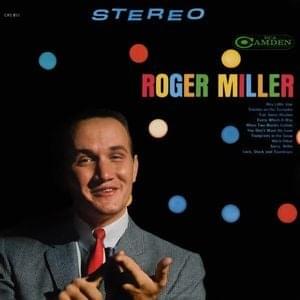
 View Artist