Song Meaning
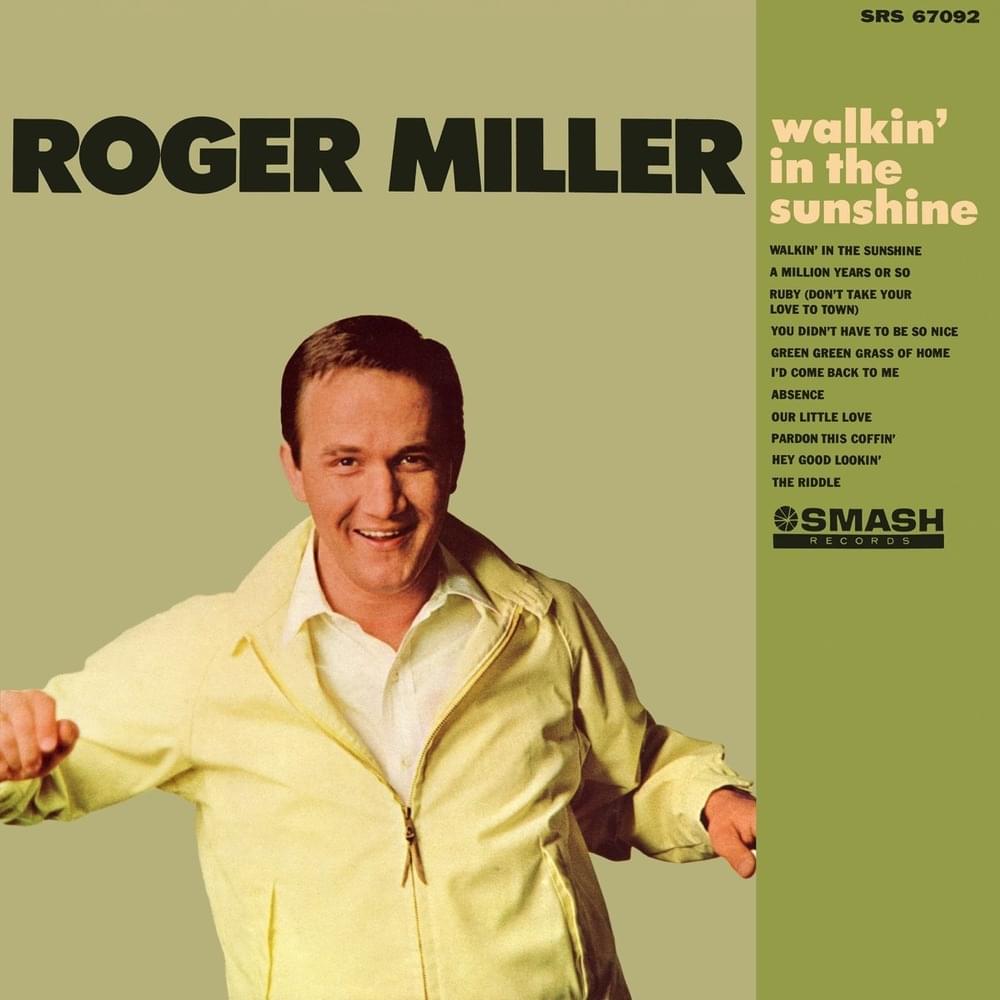
Roger Miller's “Ruby (Don't Take Your Love to Town)” isn't a jaunty country tune; it's a slow-motion domestic tragedy, steeped in bitterness and regret. The song meaning hinges on the unspoken chasm between a disabled veteran and his restless wife, Ruby. The lyrics paint a portrait of a man trapped—literally, in his paralyzed state, and figuratively, in a marriage decaying under the weight of unmet needs and unspoken resentments. The opening verses establish the scene: Ruby, adorned and restless as the sun sets, is clearly planning an escape. The narrator's plea, "Oh Ruby don't take your love to town," isn't just a request; it's a desperate attempt to cling to the last vestiges of their bond. His invocation of a vaguely referenced "old crazy Asian war" is more than a historical detail. It's a raw exposure of his own damaged psyche, and an almost pathetic reminder of his past heroism, now rendered meaningless by his present state.
The song's emotional core lies in the narrator's awareness of his own inadequacy. He acknowledges the difficulty of loving "a man whose legs are bent and paralized," and even recognizes Ruby's needs as a woman her age. This self-awareness, however, doesn't lead to understanding or compassion. Instead, it fuels his simmering rage and resentment. The line, "It won't be long I've heard them say until I'm not around," reveals a man who feels like a burden, waiting for death to release him from his misery and Ruby from her obligation. This sense of impending doom hangs heavy over the entire song, coloring every interaction with a sense of finality.
The final verse explodes in a burst of raw, violent emotion. The slamming door, a sound he's heard "one hundred times before," is the trigger. The chilling line, "And if I could move I'd get my gun and put her in the ground," exposes the darkest depths of his despair and possessiveness. This isn't just heartbreak; it's a primal scream of rage from a man stripped of his dignity and agency. The final, desperate plea, "Oh Ruby for God's sake turn it out," underscores the utter collapse of their relationship. The song leaves the listener with a disturbing portrait of a marriage destroyed by war, disability, and the corrosive effects of unmet needs, ending not with a resolution, but with a chilling threat hanging in the air.
 View Artist