Song Meaning
Roger Miller's "Don't We All Have the Right" isn't just a country ballad; it's a raw, almost painfully vulnerable exploration of human fallibility. The song circles around a core sentiment: the inherent right to err, to misjudge, to stumble in the labyrinth of love and life. The narrator, clearly reeling from a lover's departure, clings to this right as a lifeline. He initially masks his hurt with denial ("I said she'd come back again"), but the recurring question, "Don't we all have the right to be wrong now and then," reveals a deeper plea for understanding, perhaps even forgiveness. It's a universal sentiment, echoing the inherent imperfection within us all. Miller's genius lies in framing this personal heartbreak within a broader philosophical question.
The brilliance of the song meaning lies in its simplicity. The lyrics analysis reveals a man grappling with the consequences of his actions, likely some unnamed mistake that drove his lover away. The repetition of the central question isn't just a lyrical device; it's a desperate attempt to normalize his experience, to find solace in the shared human condition of imperfection. The narrator acknowledges his foolishness ("Yes, I wasn't so smart after all I forgot"), suggesting a moment of painful self-awareness amidst the emotional wreckage. He understands love's duality, the two ways one can fall, implying he fell the wrong way, leading to this abandonment.
Ultimately, "Don't We All Have the Right" transcends a simple tale of lost love. It delves into the psychological complexities of blame, acceptance, and the fragile ego's need for justification. The song's power resides in its unflinching honesty, its willingness to confront the uncomfortable truth that we are all, at times, wrong. And perhaps, the only way to navigate the aftermath is to grant ourselves—and others—the grace to be imperfect.
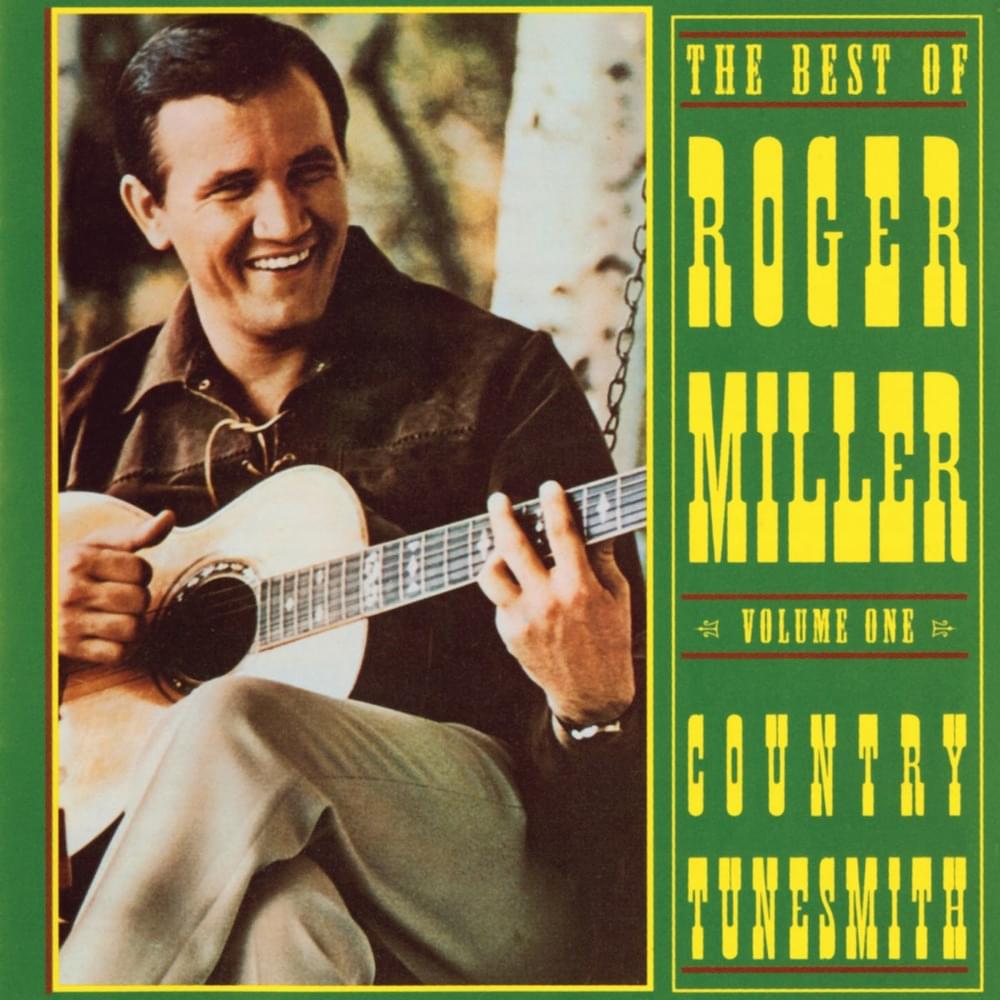
 View Artist