Song Meaning
{"song_id": 12927740, "meaning": "Roger Miller's \"A Million Years Or So\" isn't a straightforward country lament; it's a masterclass in emotional deflection. The song's core lies in the tension between present pain and the vast, indifferent future. The singer repeatedly assures himself (and perhaps us) that the sting of this lost love will fade, but the sheer repetition betrays the anxiety beneath the surface. It's the lyrical equivalent of whistling past a graveyard, a desperate attempt to minimize a wound that clearly runs deep. The flippant dismissal (\"I'm not worried, 'cos I know / I'll forget you in a million years or so\") feels less like genuine confidence and more like a psychological defense mechanism kicking into overdrive.
The brilliance of Miller's songwriting is how he simultaneously acknowledges the hurt and attempts to outrun it. The line \"How I loved you, loved you so / How I lost you, maybe time and tide will let me know\" offers a glimpse of vulnerability, a crack in the facade of nonchalance. But even here, the singer quickly retreats behind the shield of hypothetical future forgetting. He's bargaining with time, offering it a million-year buffer to heal a wound that feels impossibly fresh. The song's meaning, therefore, resides not just in the words themselves, but in the implied struggle to reconcile present anguish with the promise of eventual oblivion.
Ultimately, \"A Million Years Or So\" is a poignant exploration of how we cope with heartbreak. It's a reminder that sometimes, the most convincing lies are the ones we tell ourselves. The song's cyclical structure, returning again and again to the refrain of future forgetfulness, reinforces the sense of a mind trapped in a loop, desperately seeking an escape from the present. It's a bittersweet testament to the enduring power of love and loss, even in the face of cosmic indifference. The song lyrics analysis reveals the true message is not about forgetting, but about the struggle to forget, a struggle that may, in fact, last a million years or so."}
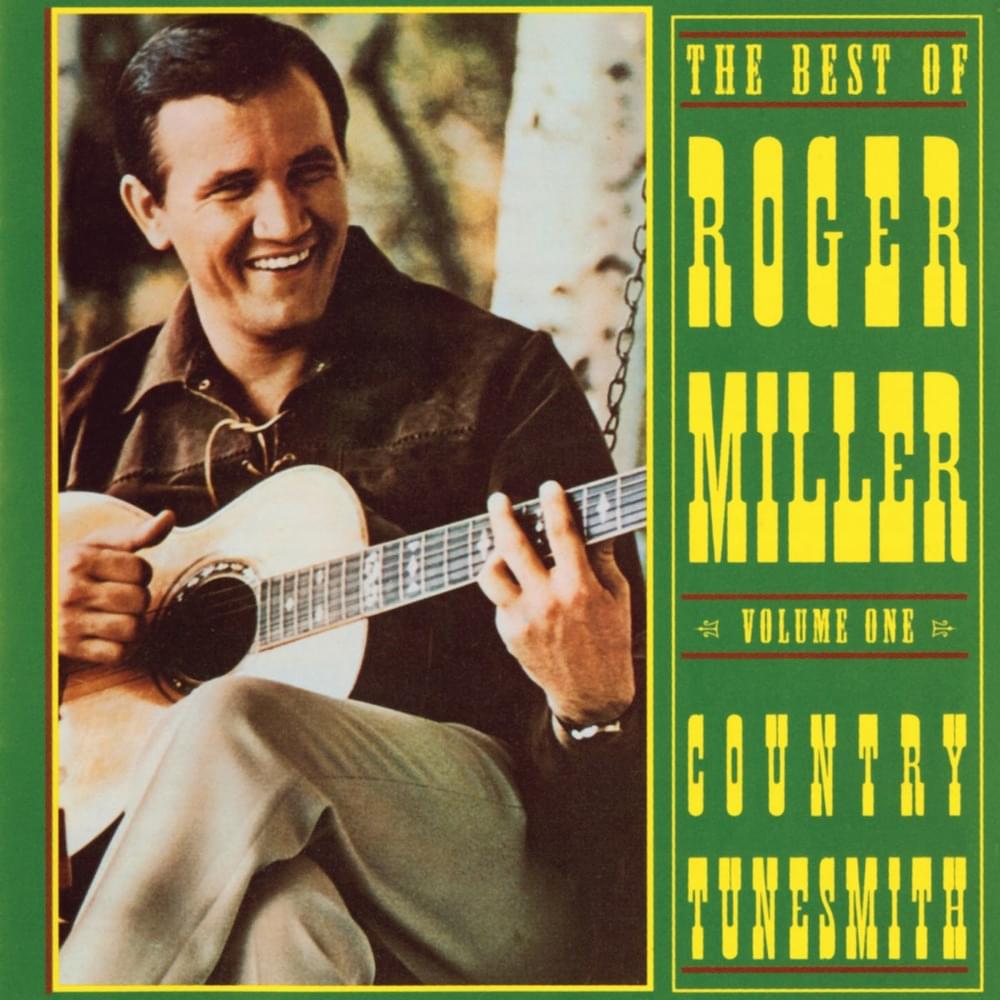
 View Artist