Song Meaning
Roger McGuinn's "Without Your Love" isn't just another breakup song; it's a stark portrait of grief's disorienting power. The lyrics paint a picture of a life utterly bleached of joy and direction following a devastating loss. McGuinn doesn't dwell on the relationship's specifics, but rather on the gaping void left in its wake. We're given snapshots of idyllic memories – sunsets over the sea, carefree sailing – but these serve only to amplify the present desolation. The operative phrase, "Now that you're gone," is repeated like a mantra, an attempt to grapple with a reality that stubbornly refuses to compute. The simple repetition mirrors the obsessive circling of thoughts common in bereavement.
The song's emotional core resides in the speaker's profound sense of disorientation. Without the loved one's presence, the world becomes a minefield of "shadows" obscuring the path forward. This isn't mere sadness; it's a fundamental loss of bearings, a severing of the anchor that once provided stability and purpose. The line "Without your eyes to see through" hints at a co-dependent dynamic, where the departed lover's perspective was essential to the speaker's understanding of the world and of himself. Now, robbed of that lens, he's left stumbling in the dark.
What elevates "Without Your Love" beyond generic heartbreak is the raw, almost desperate plea for acceptance. The line "I need help accepting this mercy so severe" is particularly striking. It suggests a perception of the loss as not just painful, but somehow cruelly ordained. The word "mercy" drips with irony, highlighting the speaker's struggle to reconcile the idea of benevolent fate with the crushing reality of his grief. The final verses, with their imagery of reaching out in the morning only to be met with emptiness, underscore the cyclical nature of grief – the constant, jarring return to the awareness of absence. The song's power lies in its unflinching depiction of love's absence, not as a temporary setback, but as a seismic shift in the landscape of the soul.
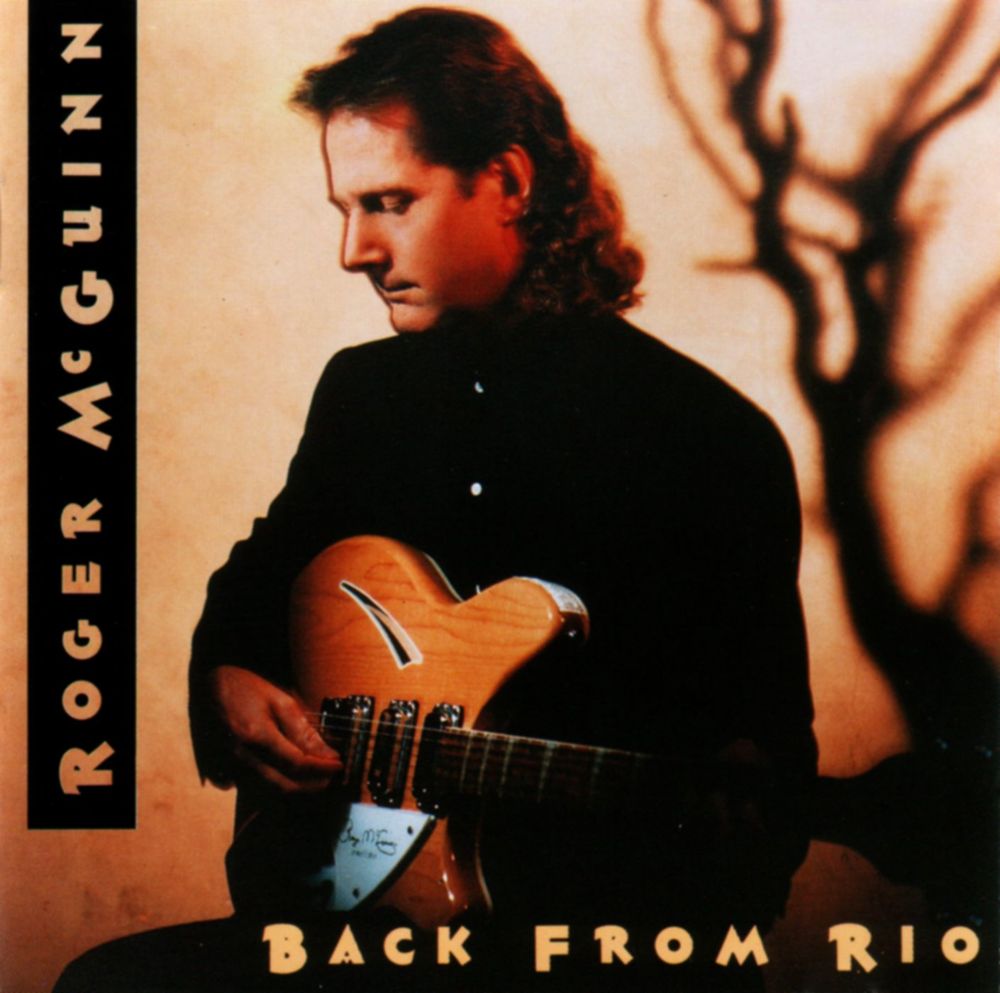
 View Artist