Song Meaning
Roger McGuinn's "Steel Wool" (even as an instrumental piece) bleeds with a melancholic yearning, a portrait of profound loneliness etched against a backdrop of ubiquitous togetherness. The unadorned title itself suggests a harsh, abrasive quality, hinting at the emotional scars the protagonist carries. The song's narrative, woven through its melodic shifts and sonic textures, evokes a man perpetually on the periphery, an outsider looking in on a world saturated with connection he can't quite access. He's the spectral figure near the carousel, a silent observer of the dizzying dance of love, forever separated by an invisible barrier. This sense of isolation isn't merely physical; it's a deeper existential chasm, a feeling of being fundamentally unseen and unheard. The lyrics, in their simplicity, amplify the pain of this disconnect. He walks among crowds, yet remains utterly alone, a ghost in a world of tangible affection. The repetition of "together" isn't celebratory; it's a haunting reminder of what he lacks. The music underscores this tension, creating an atmosphere of both longing and resignation.
Yet, amidst the pervasive solitude, a glimmer of hope emerges. The encounter with "her" represents a seismic shift, an upheaval of his carefully constructed world. This sudden disruption, however, is fraught with anxiety. The fear of being reduced to a mere entertainer, a "clown," reveals a deep-seated insecurity, a fear of vulnerability and potential rejection. Despite this apprehension, the warmth of her gaze and the sweetness of her song offer a tantalizing glimpse of genuine connection. The music swells, mirroring the rush of emotions that threaten to overwhelm him. It's a pivotal moment, a crossroads where the familiar comfort of isolation clashes with the terrifying possibility of love.
The song doesn't shy away from the inherent fragility of human connection. The acknowledgement that "nothing lives that cannot die" introduces a sense of realism, a tempering of the initial euphoria. Love, the lyrics suggest, is not an eternal guarantee but a conscious choice, a commitment to "try." This final affirmation, coupled with the return to the word "together," marks a subtle but significant shift. It's no longer a lament but a tentative embrace, a step into the unknown with the understanding that vulnerability is the price of entry. "Steel Wool," in the end, becomes a poignant meditation on the human condition, a testament to the enduring power of hope in the face of profound loneliness, and a reminder that even the most scarred souls are capable of seeking connection.
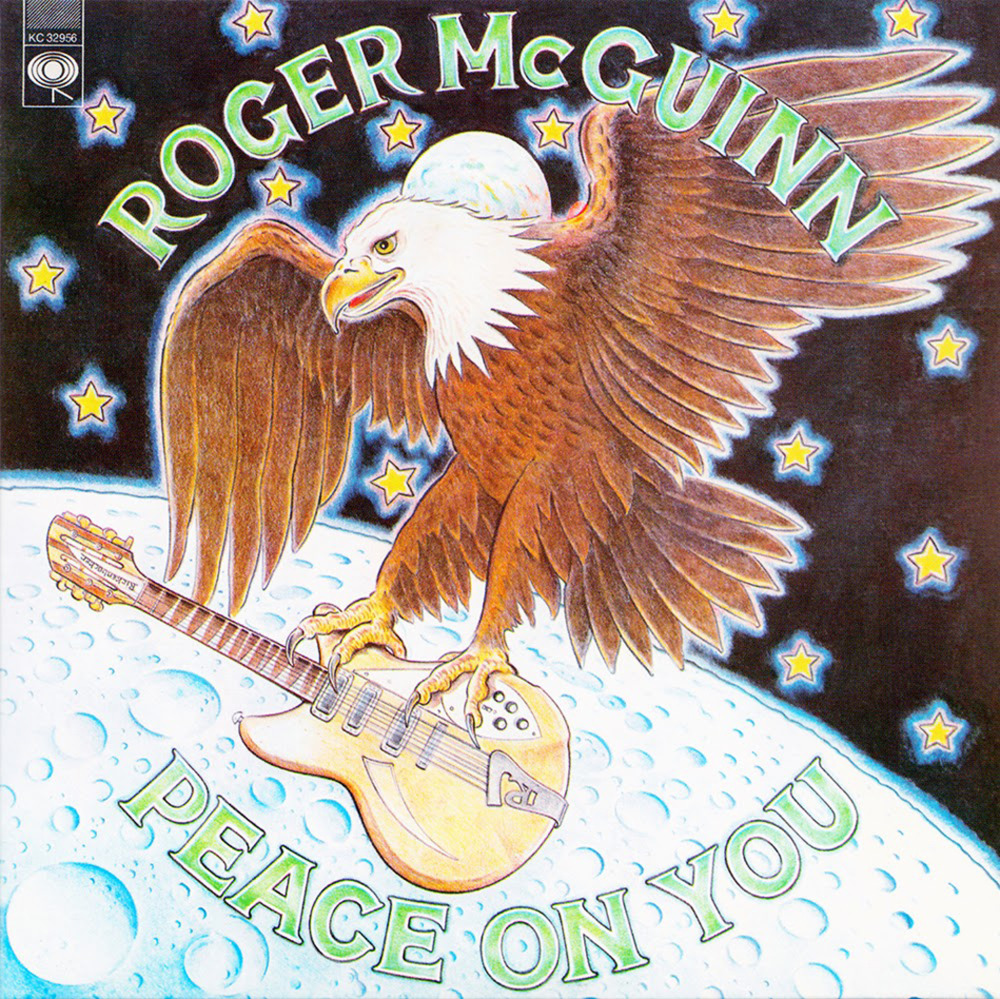
 View Artist