Song Meaning
{"song_id": 12076558, "meaning": "Roger McGuinn's \"The Lady\" isn't just a character sketch; it’s a poignant exploration of human connection and the frustrating limits of language and action. The song's central figure, this 'unlikely lady,' embodies a complex duality: her 'beautiful' eyes 'wander through the dictionary,' desperately seeking the perfect articulation of love, while her hands, though 'magical,' ultimately come up empty. This speaks to a universal struggle – the gap between intention and expression, between the desire to connect and the limitations of our own capabilities. The lyrics imply this lady possesses an inner richness, her 'soul is mystical,' yet she is somehow unable to fully realize or communicate it in the physical world.
The repeated motif of searching—for words, for comfort, for dreams—underlines a deep sense of longing and perhaps even a quiet desperation. The line 'change is not the only offer she's had' hints at a life lived on the margins, where even simple transactions carry a weight of unspoken history and potential. The lady's capacity to 'be bad for you' suggests a self-awareness of her own flaws and the potential for harm, adding another layer to her already multifaceted persona. She is not simply a passive figure; she is an active agent, making choices and navigating a world that doesn't always offer easy answers.
McGuinn paints a portrait of a woman caught between the earthly and the ethereal. She is grounded in the everyday – knitting gloves in winter, seeking spare change – yet her soul yearns for something more, something 'holy.' The final verse, with its imagery of flight and prayer, suggests a spiritual quest, a search for grace in a world where 'grace is not as easy as it seems.' Ultimately, \"The Lady\" is a meditation on the human condition, a reminder that even in our most profound efforts to connect, we often find ourselves grappling with the inherent imperfections of communication and the elusive nature of true fulfillment. The song meaning resonates because it reflects our own struggles to articulate our deepest emotions and navigate the complexities of human relationships."}
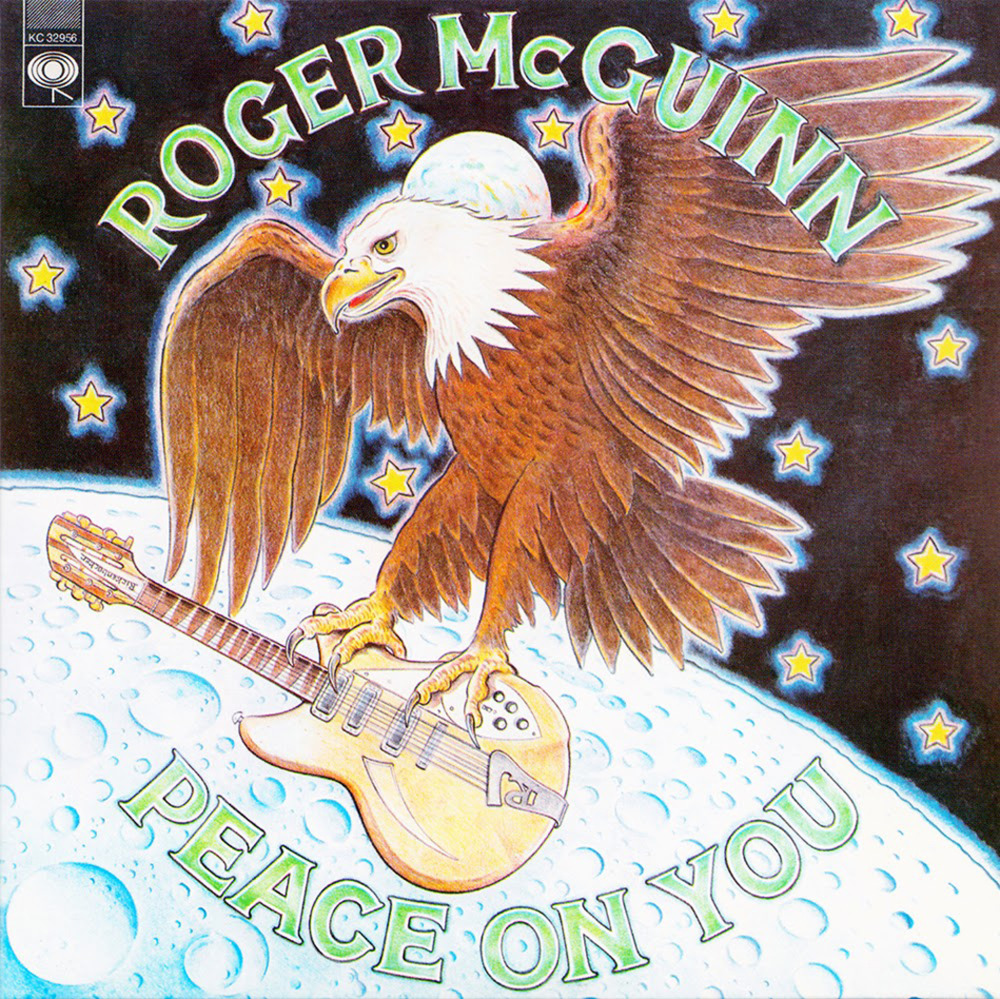
 View Artist