Song Meaning
Roger McGuinn's "Black Plums" drips with a bitter, almost Old Testament wrath disguised as a broken love song. The singer isn't just lamenting infidelity; he's invoking divine judgment on his former lover. The repeated lines, "God ain't gonna love you any / Cause you loved too many more," aren't a simple expression of jealousy, but a pronouncement of spiritual doom. It's as if the narrator sees himself as a conduit for divine retribution, predicting damnation rather than simply processing heartbreak. This elevates the personal betrayal to a cosmic offense. The 'black plums' of the title (not explicitly mentioned in the lyrics) suggest a corruption, something once sweet now spoiled and poisonous, a fitting metaphor for the tainted love at the heart of the song.
The interlude offering "peace in the valley / Peace in the sea / Peace to all the little children and me" is particularly striking. It's a moment of almost saccharine piety juxtaposed against the vengeful tone of the rest of the song. Is this a genuine desire for universal harmony, or a self-serving plea for absolution while condemning another? The contrast highlights the complex psychology at play: a wounded ego seeking solace and justification in religious terms. It’s as if the singer is attempting to position himself as morally superior, a victim deserving of divine favor, while casting his ex-lover as irredeemable.
The final verses reinforce this sense of impending spiritual crisis for the object of the singer's scorn. The warning, "If I was you then I'd start wondering / Just in which direction I would go," carries the weight of eternal consequences. The song meaning hinges on this interplay between personal hurt and perceived divine disapproval. It’s a dark, fascinating exploration of how wounded pride can manifest as religious condemnation, turning a simple love song into a chilling prediction of damnation. Roger McGuinn doesn't just express heartbreak; he weaponizes faith.
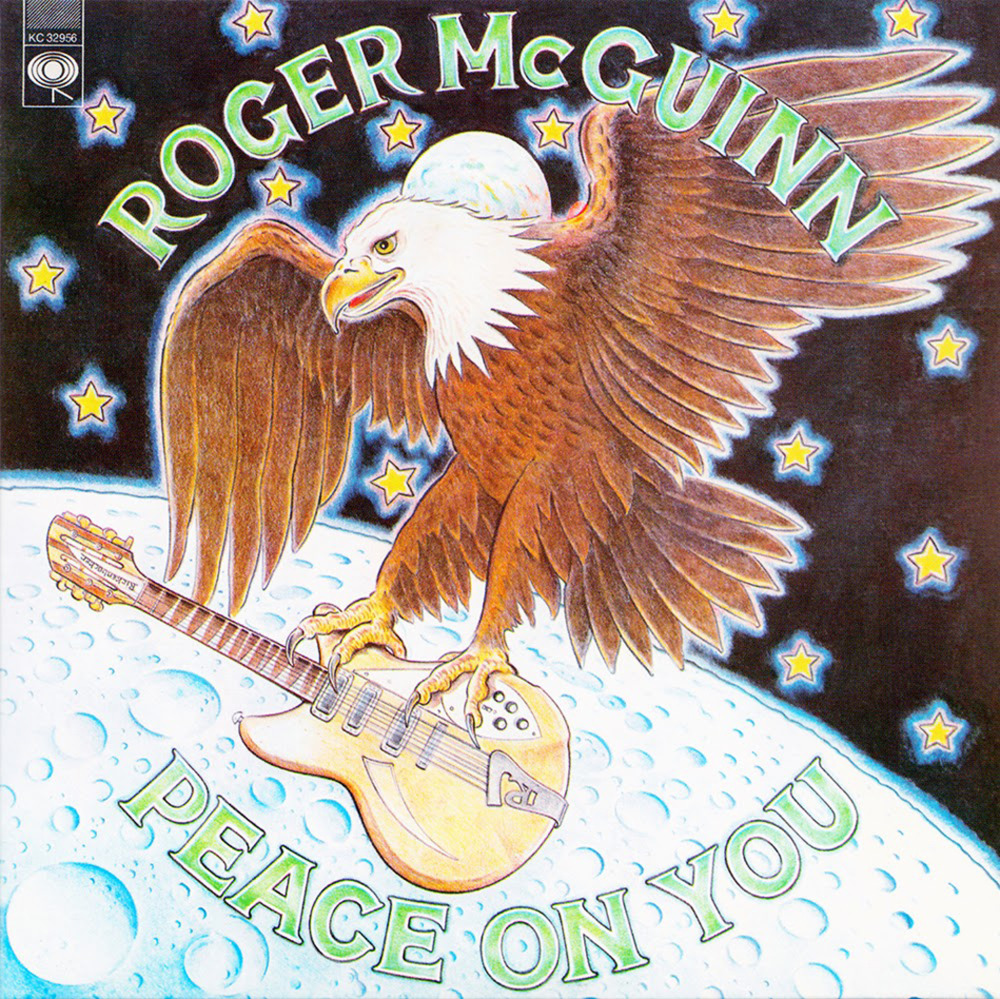
 View Artist