Song Meaning
Roger Daltrey's "Treachery" isn't just a song; it's a psychological thriller condensed into a few minutes of tightly wound paranoia. The lyrics paint a portrait of a world steeped in deception, where everyone is a potential double agent or conspirator. It’s a realm of "transatlantic calls" filled with lies and smiles that mask ulterior motives, a vision that resonates deeply in our age of information warfare and carefully curated public images. The song's power lies not in its literal narrative, but in its ability to evoke a pervasive sense of distrust. It taps into a primal fear: the realization that those closest to us might be concealing something sinister. Daltrey isn’t just singing about treachery; he’s creating an atmosphere where it feels palpable, like a fog that obscures reality.
This sense of unease is amplified by the song's structure, which avoids clear storytelling in favor of impressionistic snapshots. Lines like "whisper in the wings of a conspiracy" and "knives behind their backs" aren’t connected by a linear plot, but rather contribute to a mosaic of betrayal. The repetition of "Treachery, it's hanging in the cloud / It's hiding in the crowd" serves as a chilling refrain, emphasizing the omnipresence of deceit. The "cloud" metaphor is particularly potent, suggesting that treachery is not just an individual act but a systemic condition, a pervasive atmosphere that infects everything. The "crowd" element adds another layer, highlighting the anonymity and potential for betrayal within social structures.
Ultimately, "Treachery" is a song about the erosion of trust. It's a reflection on a world where appearances can be deceiving and where even the most seemingly genuine interactions might be rooted in manipulation. The lyrics suggest that in such a world, maintaining one's "identity" and walking alone with "uncertainty" may be the only ways to navigate the pervasive treachery. Daltrey's exploration of these themes doesn't offer easy answers or solutions, but rather forces us to confront the unsettling possibility that betrayal is not an anomaly, but an inherent aspect of human interaction.
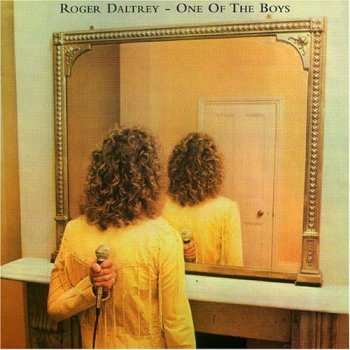
 View Artist