Song Meaning
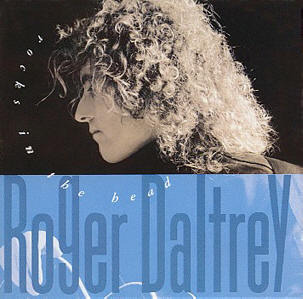
Roger Daltrey's "Mirror Mirror" isn't just a song; it's a psychological excavation of memory and desire, a sonic exploration of how past intimacy haunts the present. The track delves into the complexities of a relationship fractured by time and distance, yet indelibly etched in the speaker's mind. Daltrey, the iconic voice of The Who, here channels a more vulnerable persona, one grappling with the enduring power of a lost connection. The opening lines, "You can float your boat to China / It could take you all night / It could take a long time / To forget about me," immediately establish a sense of lingering attachment and a subtle challenge to the former lover's attempts at moving on. The lyrics suggest that despite physical separation and the potential for new relationships, the shared past remains an inescapable force. The "first time ever was sacred" refrain highlights the idealized memory of initial intimacy, a benchmark against which all subsequent experiences are measured and perhaps found wanting. This romanticized recollection functions as both a source of comfort and a painful reminder of what has been lost.
The chorus, with its repeated invocation of "Mirror, mirror on the wall," introduces the central metaphor of self-reflection and truth-seeking. The mirror serves as a portal to the speaker's inner world, inviting both the former lover and himself to confront the raw emotions that persist. The line "Let me in your darkest hour" speaks to a desire for empathy and a longing to provide solace, even in the aftermath of the relationship's demise. The request for the mirror to "take a look into me now" suggests a willingness to be vulnerable and to expose the lingering pain and unresolved feelings. This act of self-disclosure is not merely confessional; it's an attempt to understand the enduring impact of the relationship on his own identity. The mention of the "crystal ball" hints at a yearning for foresight, a desire to comprehend the future trajectory of their lives, both separately and potentially together.
The tension between honesty and deception is another key theme explored in "Mirror Mirror." The lines "Now, you can tell a lie real good / And maybe I'll believe every word" and "I can tell a lie real good / And maybe you'll believe every word" reveal a mutual awareness of the potential for manipulation and self-deception within the relationship. This adds a layer of complexity to the song's meaning, suggesting that the idealized memories may be tinged with a degree of illusion. However, the final lines, "Come and make love," offer a glimmer of hope or perhaps a desperate plea for reconciliation, indicating that the desire for connection still burns beneath the surface. Ultimately, "Mirror Mirror" is a poignant exploration of the enduring power of memory, the complexities of human relationships, and the ongoing struggle to reconcile the past with the present.
 View Artist