Song Meaning
The narrator stands before a broken-down car, a mechanical tomb where a cherished past now resides. The mechanic's finality, "Da kann ich nichts mehr machen. Tut mir Leid!" ("I can't do anything more. I'm sorry!"), seals the fate of this vehicle, which was clearly more than just transportation. It was a "zweites Ich" ("second self"), a vessel of pride and youthful infatuation, its "Kurven" ("curves") admired like those of a lover. The description of "britisch racing green, chrom und wurzelholz" ("British racing green, chrome, and burled wood") paints a picture of a classic, stylish machine, now rendered inert.
The core emotional tension arises from the juxtaposition of freedom and loss. The car is hailed as "Mein guter Stern auf allen Wegen" ("My good star on all paths") and "Meine große Freiheit" ("My great freedom"), embodying the exhilaration of "so viel Gas gegeben" ("giving so much gas"). This freedom, however, is now irrevocably tied to the car's demise, symbolized by its consignment to "die gelben Engel" ("the yellow angels" – likely roadside assistance). The narrator laments that their "wilden Jahre" ("wild years") are now departing with the car, marking a definitive end to an era.
The lyrics masterfully employ personification to convey the depth of this attachment. The car is not merely an object but a confidant and companion, witnessing countless moments, from "Flensburg" triumphs to the parade of women on its "Beifahrersitz" ("passenger seat"). The repeated focus on "gelb und rot" ("yellow and red") – possibly traffic lights or a specific racing context – hints at a life lived at full throttle, a narrative of youthful recklessness and shared experiences now parked permanently. The car's demise signifies the end of that specific, uninhibited chapter.
This piece hits hard because it transforms a common experience – the end of a car's life – into a poignant elegy for lost youth and freedom. The specific, sensory details of the car's appearance and the narrator's intimate connection to it elevate the loss beyond the material. It’s the feeling of a tangible piece of one's own history, a symbol of boundless possibility, being towed away, taking a significant part of the past along with it.
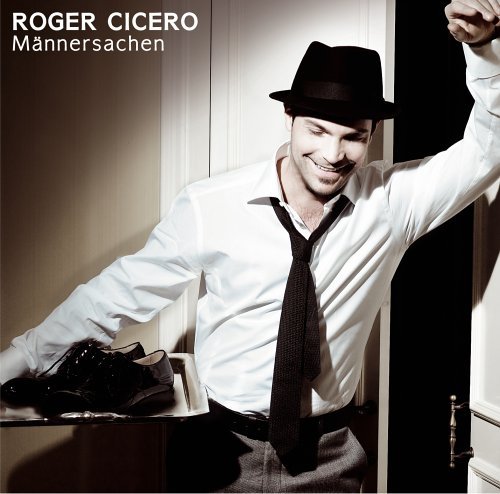
 View Artist