Song Meaning
The narrator craves a day of pure, unadulterated self-indulgence, a stark contrast to the demands of daily life. The opening lines paint a picture of perfect solitude, where the clock is theirs alone and even personal grooming is optional. This isn't just laziness; it's a deliberate act of reclaiming agency, a conscious decision to exist solely for oneself. The phrase "Heut bin ich einfach nur für mich da" (Today I am just here for myself) encapsulates this radical self-focus.
The central tension lies in the desire for freedom versus the difficulty of achieving it. The chorus articulates a longing to "Ganz einfach mal frei sein" (Just be free for once) and "nicht einfach funktionier'n" (not just function), yet immediately questions why this state is so elusive: "Doch wenn das so einfach ist, warum fällt das oft so schwer" (But if it's so easy, why is it often so hard). This highlights an internal struggle, a disconnect between the ideal of effortless liberation and the lived reality of its difficulty.
The lyrics masterfully employ imagery of escape and sensory pleasure to underscore this desire. Lounging in a "Sonnenstuhl" (sun lounger), dreaming of the Mediterranean, firing up the grill, and blasting music all evoke a sense of luxurious idleness. The narrator admits "Ich mach das viel zu selten dabei tut mir das so gut" (I do this far too seldom, yet it does me so much good), revealing a deep-seated need for these restorative moments that are too rarely prioritized.
Ultimately, the effectiveness of these lyrics stems from their relatable portrayal of the struggle to disconnect and recharge. The simple, direct language, particularly in the repeated question "Warum fällt das oft so schwer" (Why is it often so hard), resonates because it articulates a common, unspoken frustration. It’s the quiet battle against the inertia of obligation and the difficulty of truly allowing oneself to simply *be*.
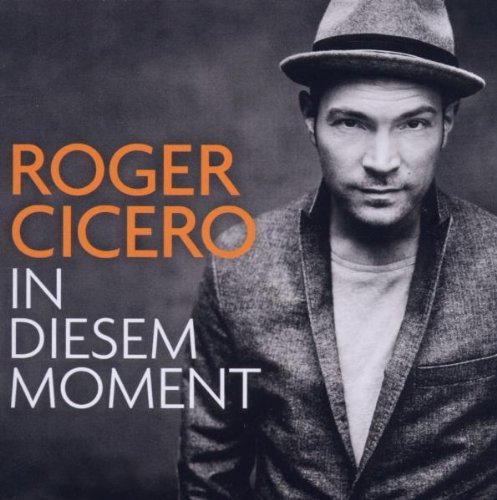
 View Artist