Song Meaning
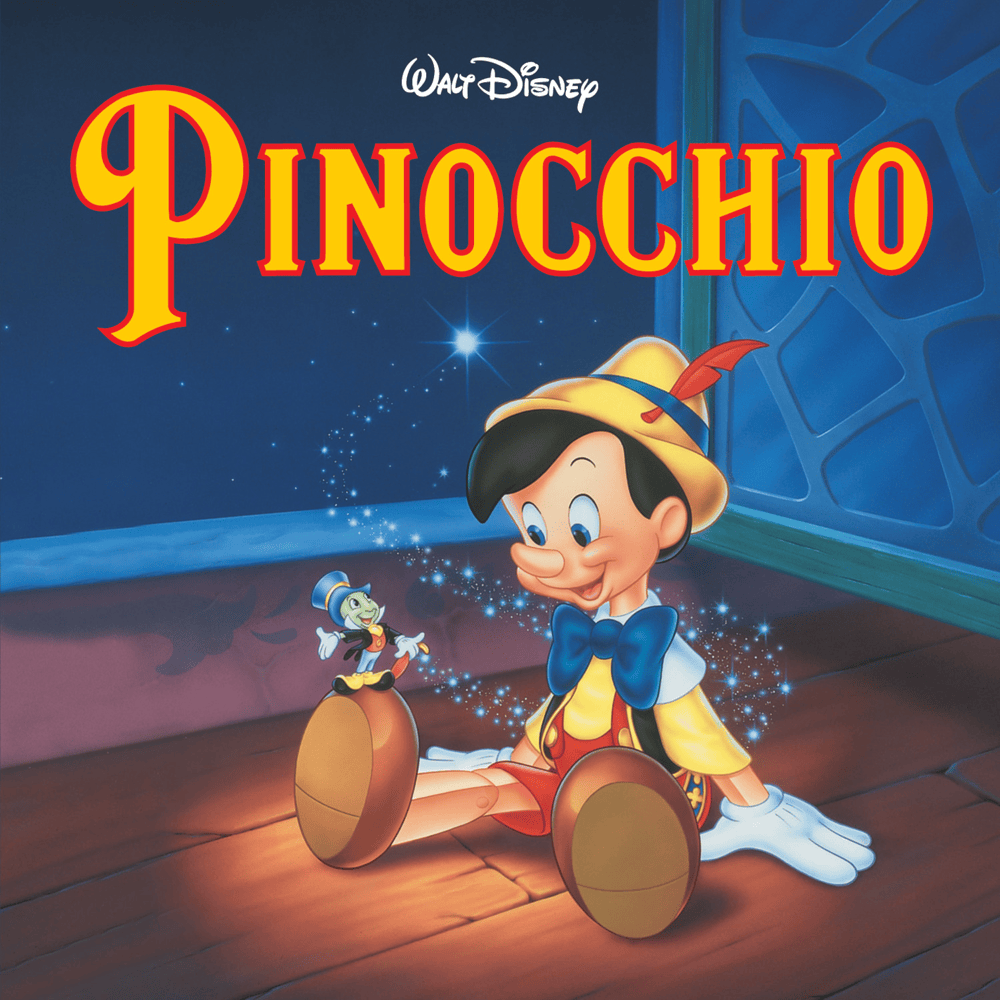
This song paints a picture of a wooden puppet, a "gentil petit pantin de bois," tasked with bringing joy. The narrator instructs the puppet to make children laugh and parents smile, setting a clear objective for its existence. It's a simple, almost childlike directive, focused entirely on the puppet's outward function of entertainment and happiness generation.
The core tension lies in the contrast between the puppet's perceived limitations and the narrator's affection. The lyrics explicitly state, "Tu n'es pas joli, tu es sans voix," highlighting its lack of conventional beauty and vocal ability. Furthermore, its movements are described as "parfois très maladroits," suggesting a clumsiness that might hinder its purpose. Yet, despite these acknowledged flaws, the narrator declares, "je suis très fier de toi."
The most striking aspect is the narrator's unwavering pride, which seems to transcend the puppet's physical or functional shortcomings. This isn't a conditional pride based on perfect performance, but an unconditional acceptance of the puppet as it is. The repetition of "petit pantin de bois" reinforces this intimate, perhaps paternal, connection, emphasizing the narrator's deep fondness for this imperfect creation.
Ultimately, the lyrics resonate because they capture a unique form of love and appreciation. It's about finding value and pride in something not because it's perfect, but because it exists and tries, even with its inherent limitations. The narrator's simple, heartfelt declaration of pride for a clumsy, voiceless puppet offers a touching perspective on acceptance.
 View Artist