Song Meaning
The lyrics present a stark, almost cruel, lesson in emotional suppression, framed by Tony's desperate, internal struggle. The initial sung plea, "Don't cry out loud / Just keep it inside," is immediately undercut by a spoken interjection: "Oh god, that's cold." This contrast highlights the brutal nature of the advice being given, suggesting it's a learned behavior, perhaps passed down from "Daddy," rather than a natural inclination. The directive to "Learn how to hide / Your feelings" is a core tenet of this harsh philosophy.
The central tension lies between the imposed stoicism and the raw, undeniable reality of Tony's distress. The lyrics repeatedly emphasize the need to maintain an outward appearance of strength, even in the face of potential failure or pain: "Fly high and proud / And if you should fall / Remember you almost / Had it al--." This suggests a world where vulnerability is weakness, and the only solace is in the memory of what might have been, a hollow victory at best. The fragmented delivery of "all" at the end, punctuated by gasps and spoken panic, underscores the futility of this suppression when disaster strikes.
The most striking aspect of the craft is the jarring juxtaposition of sung directives and spoken panic. The sung portions deliver the cold, logical advice to internalize pain, while the spoken interjections and sound effects ("*crying noises*", "Grlgh", "Shark! Shark!", "*gurgling noises*") reveal the overwhelming, uncontrollable nature of Tony's actual experience. This creates a powerful dramatic irony, showing the complete failure of the taught coping mechanism in the face of an immediate, life-threatening crisis. The repeated phrase "Don't cry out loud!" becomes increasingly desperate, a mantra failing against the encroaching reality.
These lyrics are effective because they capture a specific, painful emotional landscape with brutal efficiency. The contrast between the rigid, internalized commands and the chaotic, external events creates a visceral sense of dread. The listener is made to witness the devastating consequences of emotional repression not through abstract discussion, but through Tony's literal inability to heed the advice as disaster overtakes him. The final spoken line, "It sounds like it's too late," seals the tragic outcome, a direct result of the very lesson Tony was taught.
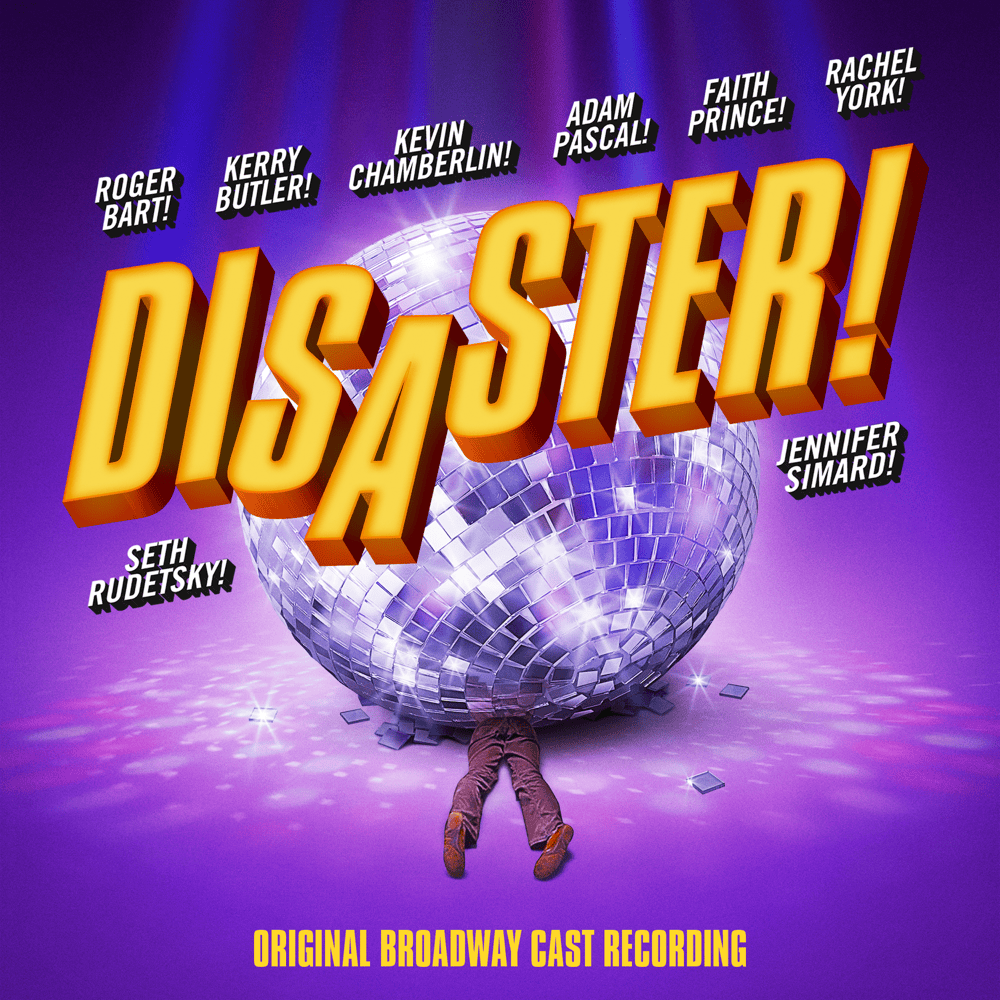
 View Artist