Song Meaning
The narrator declares a definitive end to a past relationship, emphasizing finality with insistent repetition. The opening lines immediately establish a tone of resolute closure, stating "Ya nunca más mujer" and hammering home the point with "Nunca, nunca, nunca." This isn't a hesitant farewell; it's a stark pronouncement of severance, a refusal to revisit any intimacy or affection previously shared.
The core tension lies in the narrator's projected future for the other person, framed by what they will now never experience. The lyrics suggest a deliberate withholding of future joy and understanding, stating "Nunca tu conocerás / Lo que es primavera" and "Nunca tu comprenderás / Lo que es el amor." This implies the relationship's end has permanently altered the other person's capacity for happiness and emotional depth, a harsh consequence of the past.
The most striking aspect is the relentless use of "nunca" (never), creating a suffocating atmosphere of finality. This repetition isn't just about stating a fact; it builds an almost desperate insistence, as if the narrator needs to convince themselves as much as the other person. The shift in the latter half, from direct pronouncements to a plea for mutual forgetting ("olvidemos lo ocurrido"), introduces a subtle vulnerability beneath the harsh resolve.
This lyrical construction works because it mirrors the emotional aftermath of a painful breakup. The initial anger and finality give way to a weary desire for peace, even if that peace is built on mutual erasure. The stark, unadorned language and the overwhelming presence of "never" effectively convey the weight of a love that has irrevocably ended, leaving only a "recuerdo" and a desire for separate paths.
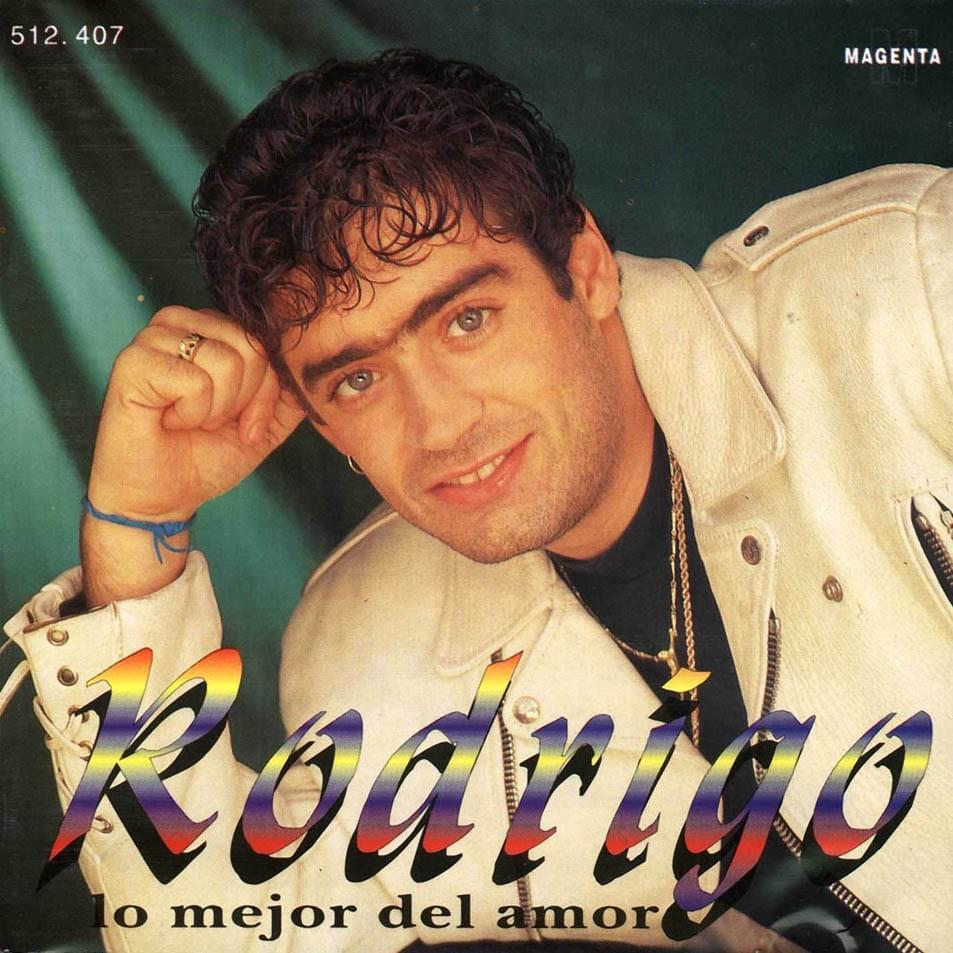
 View Artist