Song Meaning
The narrator is grappling with the aftermath of a relationship that has ended, expressing deep pain and confusion. They apologize for distancing themselves, highlighting the emotional and material sacrifices made: "Te di todo mi calor / Te di zapatos, ropa y comida." This generosity seems to have gone unappreciated, as the lyrics state, "Y a ti nada te ha importado." The contrast between the narrator's investment and the other person's apparent indifference creates a palpable sense of betrayal and sorrow.
The central tension lies in the narrator's bewilderment over how things devolved so drastically. "No se, no se, lo que ha ocurrido / Después de todo lo que vivimos" captures this disorientation. The narrator feels they gave their all, "Todo lo que yo tuve yo te he dado," yet the outcome is one of loss and regret. The lyrics suggest a dynamic where the other person was perceived as the victor, "Tu siempre fuiste la ganadora," while paradoxically being the one who weeps, "Todos se ríen, solo tu lloras."
The most striking element is the narrator's shift from personal pain to a broader, almost theatrical pronouncement about the consequences of playing with love. The repeated phrase "Alguien va a llorar, alguien lo va a lamentar" takes on a prophetic tone. It’s a stark warning that this "fracaso" (failure) will have repercussions, and the narrator seems to be framing the other person's actions as a grand, albeit tragic, performance – an "exitazo" (huge success) that will be remembered for its sorrowful impact.
This lyrical construction is effective because it moves beyond simple heartbreak. The narrator’s initial vulnerability and detailed accounts of sacrifice give way to a more detached, almost judgmental observation of the other person's fate. The use of "exitazo" to describe the painful outcome is a sharp, ironic twist, emphasizing the dramatic and ultimately destructive nature of the relationship's end. It leaves the listener contemplating the complex emotional fallout and the narrator's complex feelings of hurt, resignation, and a desire for the other person to learn a harsh lesson about love.
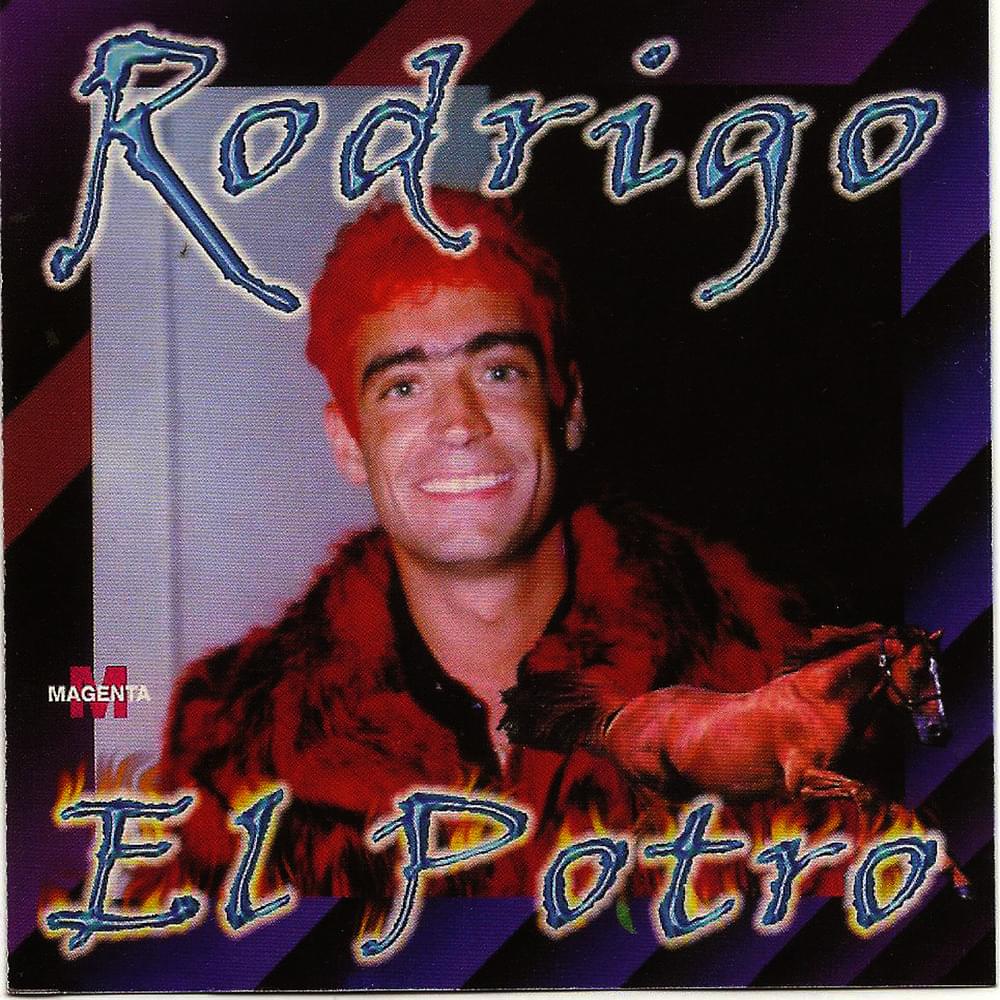
 View Artist