Song Meaning
The lyrics open with a stark confession: a lover departed, claiming they needed to find love elsewhere. Now, that same person has returned, admitting their past actions were a mistake. This sets up a classic narrative of regret and a plea for a second chance. The central question becomes: can a broken past be mended?
The emotional core hinges on a profound reversal of perspective. The ex-lover initially justified leaving by citing the narrator's "unanswered questions," implying a past emotional distance. Yet, the narrator reveals their own subsequent healing, stating "otro amor me hizo cambiar." This sets up the tension for the ex-lover's return, where they dismiss their past betrayal as mere "pasiones encendidas" from "noches de alcohol." This flimsy excuse only highlights the ex-lover's lack of genuine accountability.
The most striking element is the narrator's firm rejection and reclamation of agency. After the ex-lover seeks forgiveness, the narrator delivers a powerful boundary: "Yo ya curé mi alma herida," and cannot heal the ex-lover too. The final lines, "Y dímelo mujer, que ya no volverás," echo the opening betrayal but with a crucial shift. The narrator is no longer the abandoned party; they are dictating the terms of the final goodbye, demanding the ex-lover acknowledge their permanent departure. This repetition transforms a plea into an assertive command.
These lyrics resonate by meticulously charting a journey from abandonment to empowered closure. The initial hurt is palpable, but the narrative avoids wallowing, instead focusing on the narrator's self-healing. The ex-lover's weak excuses only amplify the narrator's strength, making the final declaration of independence land with a satisfying, almost defiant, emotional weight. It's a testament to moving on, not just forgiving, offering a powerful message about personal resilience.
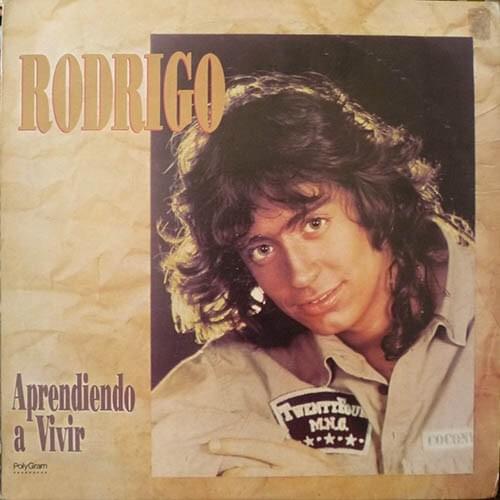
 View Artist