Song Meaning
This track opens with a direct, almost nagging command: "Cortate el pelo cabezón" – "Cut your hair, big head." It immediately sets a tone of urgent, slightly exasperated advice, painting a picture of someone whose long hair is becoming a literal obstruction. The lyrics warn that if the hair is left to grow any longer, the subject "won't be able to see" anymore, suggesting a loss of clarity or vision tied to this unkempt state. This isn't just about vanity; it's about a functional impairment.
The central tension revolves around a persistent refusal or hesitation to act, despite the clear consequences. The repeated "Cortate el pelo de una vez" – "Cut your hair once and for all" – underscores the frustration of the narrator. There's a sense that this isn't just about a haircut, but a larger decision the subject needs to make, as hinted by "Tenés que decidir" – "You have to decide." The fear of the barber, "Que miedo le tenés" – "What fear do you have," is presented as irrational, especially since "el peluquero es bueno" – "the barber is good."
The lyrics employ a curious detail about the barber forgetting the subject's "caretón" – a large face or perhaps a mask. This adds a layer of peculiarity, hinting that the hair might be hiding something, or that the subject's identity is somehow tied to this obscured appearance. The idea that cutting the hair will allow the subject to "oír" – "hear" – suggests that the long hair isn't just blocking sight, but also the ability to perceive or listen to advice.
Ultimately, the effectiveness lies in its insistent, almost taunting repetition and the vivid, if slightly absurd, imagery. It crafts a compelling, if simple, narrative about overcoming a self-imposed obstacle. The repeated commands to "cut your hair" become a metaphor for confronting a problem that is literally blinding and deafening the subject, urging them to embrace clarity and responsiveness.
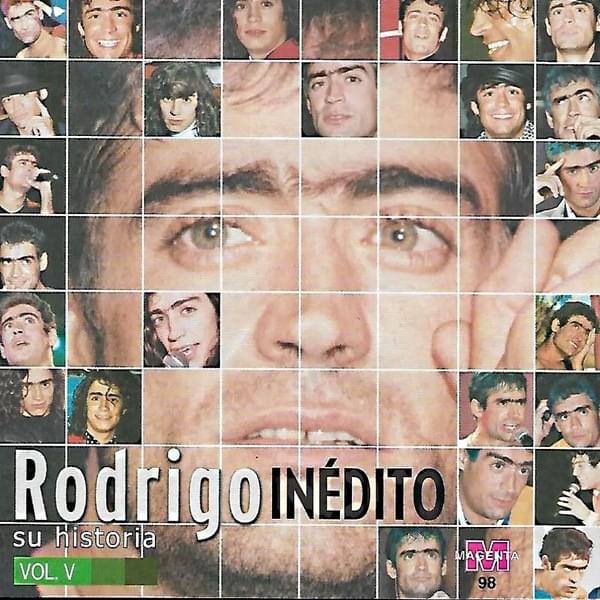
 View Artist