Song Meaning
The lyrics paint a vivid picture of someone who has been hurt before, now erecting emotional defenses. The narrator issues a clear warning: "No avances" (Don't advance), immediately establishing a sense of danger and caution. This isn't just a casual heads-up; the presence of "carteles que dicen 'cuidado'" (signs that say 'beware') and 'peligro no puedes pasar' (danger, you cannot pass) amplifies the severity of the boundary being set. The repeated directive to not advance underscores a deep-seated fear of further pain.
The core tension lies in the narrator's past trauma and its impact on their present willingness to engage. The lines "Porque ya fue engañado otras veces / Y no quiere volver a sangrar" (Because they've been deceived other times / And doesn't want to bleed again) reveal the root of this guardedness. This isn't about being unfriendly; it's about self-preservation born from repeated heartbreak. The concept of being "engañado" (deceived) and the visceral image of not wanting to "sangrar" (bleed) highlight the profound emotional damage experienced.
The central metaphor is powerful: the heart now possesses an "alarma" (alarm). This isn't a gentle nudge but a blaring siren designed to ward off potential threats. The repetition of "Mi corazón ahora tiene una alarma" in the chorus emphasizes its constant, active state. This alarm serves a protective function, shielding the narrator from both "amores y trampas" (loves and traps), suggesting that even genuine affection is now viewed with suspicion. The unwavering resolve to "no quiere volver a sufrir" (doesn't want to suffer again) solidifies the alarm's purpose as a shield against vulnerability.
What makes these lyrics resonate is the raw, direct articulation of emotional self-protection. The alarm isn't just a metaphor; it's presented as an active, functional part of the narrator's being, a necessary tool for navigating relationships after experiencing significant pain. The final, almost defiant "¡Siga!" (Go on!) followed by a celebratory shout, while seemingly contradictory, could suggest a moment of triumph in maintaining this protective boundary, or perhaps a sarcastic acknowledgment of the ongoing struggle.
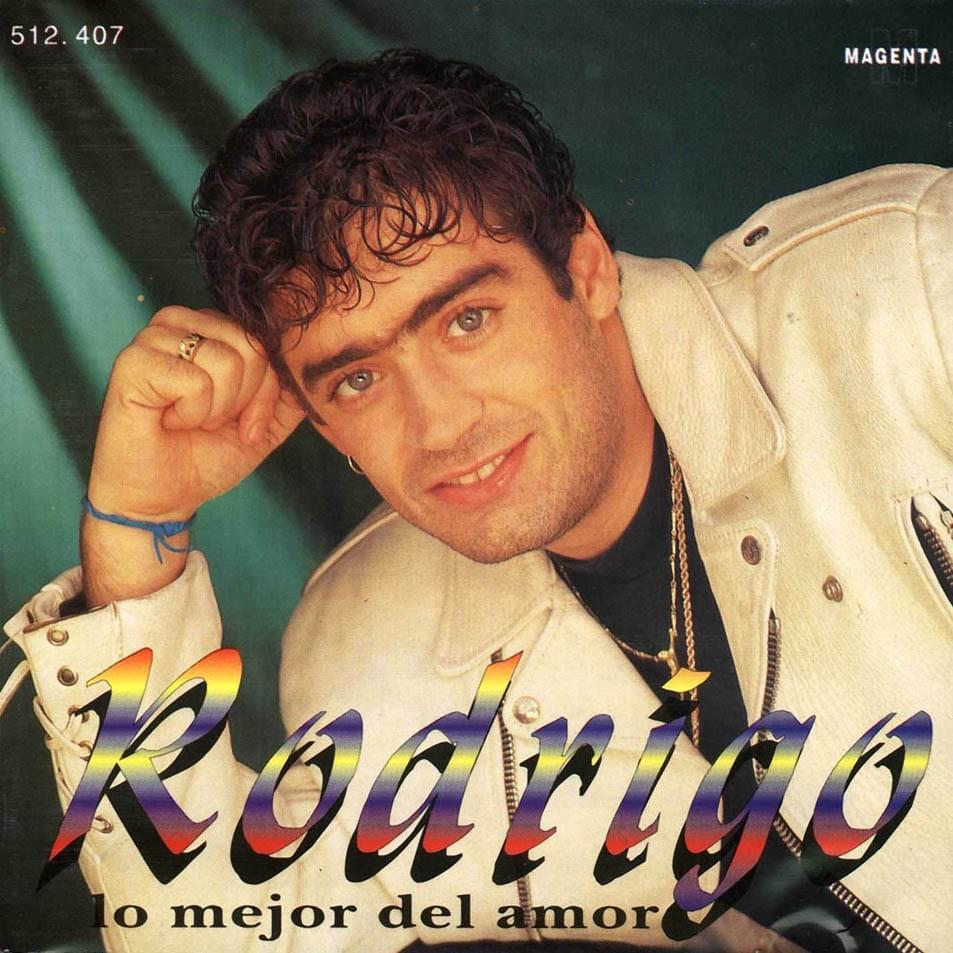
 View Artist