Song Meaning
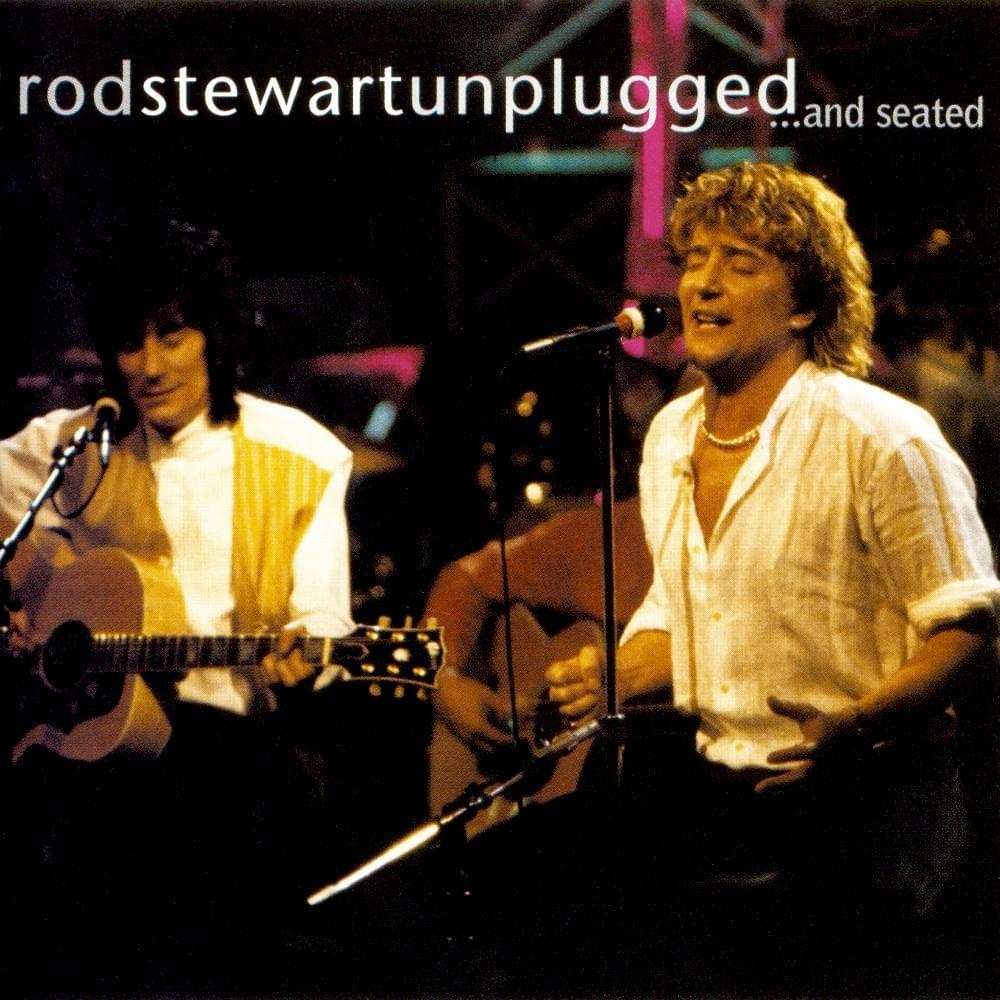
Rod Stewart's rendition of Tim Hardin's "Reason to Believe," particularly the "Unplugged and Seated" version, isn't just a cover; it's a masterclass in interpreting the stubborn, almost masochistic, persistence of hope in the face of repeated betrayal. The song's core resides in that haunting paradox: the speaker *knows* they're being deceived, witnesses the deception firsthand ("Knowing that you lied straight-faced while I cried"), yet actively seeks justification to maintain faith in the relationship. This isn't blind optimism; it's a deliberate, perhaps self-destructive, act of will. It speaks to a deep-seated need for connection that overrides rational self-preservation. The very act of 'looking' for a reason implies a pre-existing desire to believe, a vulnerability eagerly exploited by the other party. The raw emotion, heightened by the acoustic arrangement, strips away any artifice, leaving the listener face-to-face with the uncomfortable truth of human dependency.
The phrase "Someone like you" is central to understanding the song's meaning. It encapsulates both the source of the pain and the reason for the enduring hope. This "someone" possesses a unique ability to both wound and captivate, creating a dynamic where the speaker is simultaneously repelled and drawn closer. The lines "Makes it hard to live without somebody else / Someone like you makes it easy to give / Never think about myself" highlight the codependent nature of the relationship. The speaker's identity becomes so intertwined with the other person that separation feels unbearable. The willingness to "give" everything, to prioritize the other's needs above their own, further reinforces this dynamic of self-sacrifice. It's a portrait of someone lost in the labyrinth of another's personality.
Ultimately, "Reason to Believe" explores the complex psychology of denial and the lengths to which people will go to preserve a relationship, even a toxic one. The repetition of "Still I look to find a reason to believe" at the song's close underscores the obsessive nature of this quest. It's a mantra of self-deception, a desperate attempt to rewrite the narrative and escape the painful reality of betrayal. The song isn't necessarily about romantic love; it could apply to any relationship where trust has been broken but the desire for connection persists. In Stewart's hands, the song becomes a haunting meditation on the human capacity for both profound love and profound self-denial, a stark reminder of the emotional tightrope we walk when we open ourselves to others.
 View Artist