Song Meaning
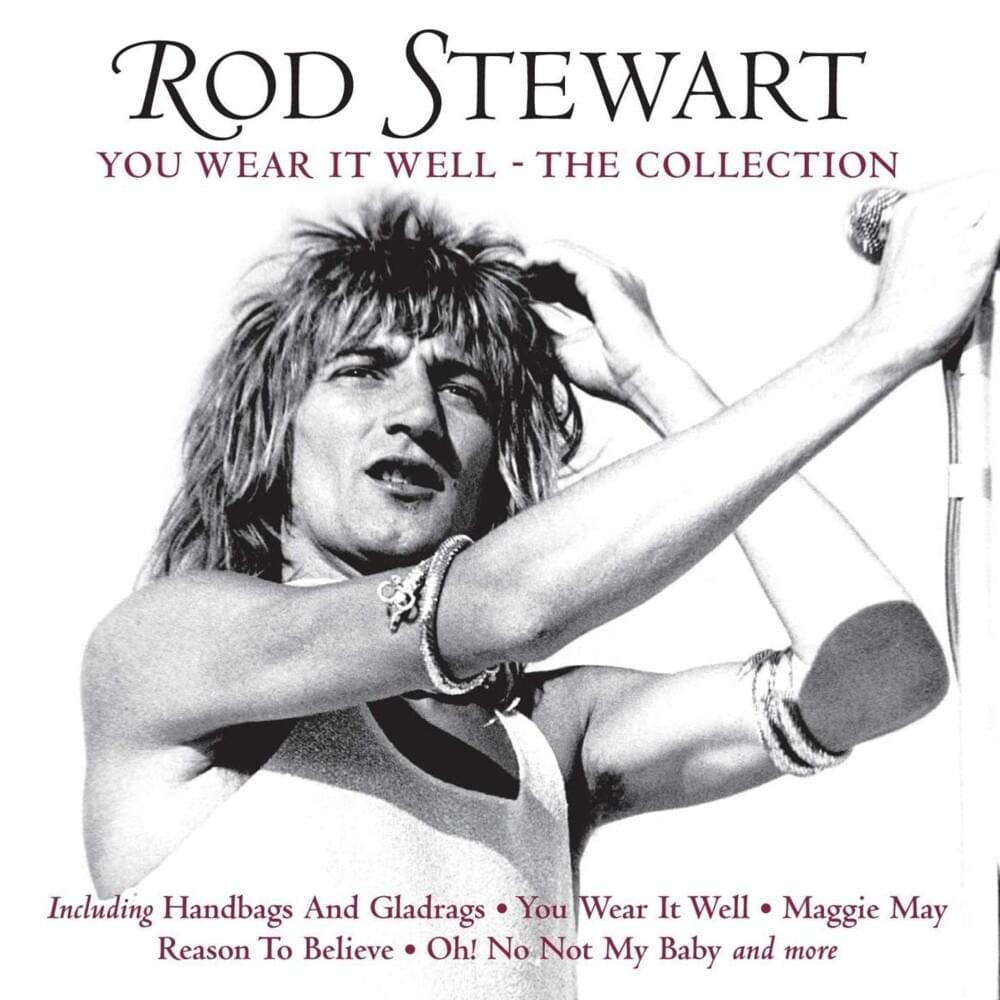
Rod Stewart's interpretation of "Dirty Old Town" is less a celebration of urban grit and more a simmering threat barely contained. The romantic imagery of finding love amidst industrial decay – "gaswork croft," "old canal," "factory wall" – feels less sentimental and more like a desperate clinging to beauty in a landscape actively hostile to it. The sirens and sulfur aren't romantic; they're oppressive. The overarching song meaning revolves around the psychological impact of urban decay, where love and dreams are juxtaposed against a backdrop of industrial grime and societal neglect.
This isn't a simple lament; the song takes a darker turn. The repeated line, "Dirty old town," transforms from a descriptive phrase to a muttered curse. The introduction of the axe is pivotal. It signifies a shift from passive observation to active resistance, fueled by the psychological toll of living in such an environment. This isn't just about wanting a better life; it's about a primal urge to destroy the source of suffering. The "good sharp axe" and "shining steel tempered in the fire" are not tools of progress, but instruments of cathartic, almost violent, cleansing.
Ultimately, "Dirty Old Town" speaks to the complex relationship between people and their environment. It's a song about how the physical landscape can shape the inner one, breeding both resilience and a barely suppressed rage. The promise to "chop you down like an old dead tree" isn't just a threat to a specific location; it's a declaration of war against the forces that suffocate the human spirit. The song is a potent exploration of urban blight and the psychological breaking point it can engender.
 View Artist