Song Meaning
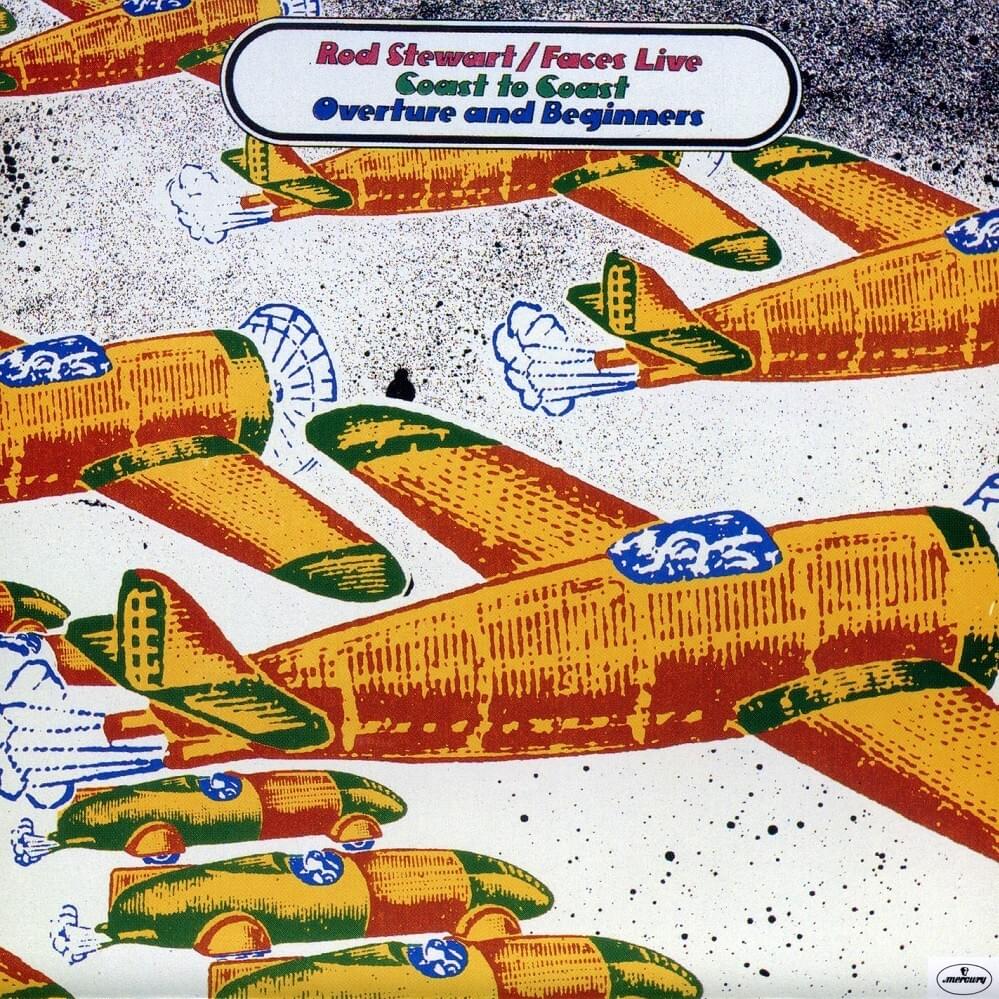
{"song_id": 11042449, "meaning": "Rod Stewart's live rendition of \"I'd Rather Go Blind\" isn't just a performance; it's a raw, exposed nerve laid bare. The song's devastating core hinges on a paradox of love so profound it warps into a kind of self-destructive co-dependency. The opening lines, delivered with Stewart's signature rasp, aren't subtle. There's no room for doubt, no space for misinterpretation. The narrator witnesses the slow-motion unraveling of his relationship, the chilling realization dawning as he sees his lover entangled with someone else. It’s not just heartbreak; it's the agonizing anticipation of the inevitable. The 'something deep down' isn't just sadness; it's the primal scream of abandonment. The rawness is amplified by the live setting, each vocal crack and instrumental swell adding another layer of palpable pain.
The central metaphor, the preference for blindness over witnessing his lover's departure, isn't merely hyperbolic. It’s a desperate plea to escape a reality too excruciating to bear. The willingness to sacrifice sight, one of the most fundamental senses, underscores the sheer terror of losing this connection. The lyrics hint at a fear of independence, a crippling dependence on the relationship for self-definition. The narrator confesses, 'Most of all, most of all, most of all, I just don't want to be free,' revealing the unsettling truth that his identity is intrinsically tied to this love, however damaged it may be. This isn't just about romantic love; it's about a fear of existential solitude.
The imagery of the 'reflection in the glass' revealing hidden tears is particularly poignant. It suggests a disconnect between the narrator's outward facade and his inner turmoil. He's been clinging to a semblance of normalcy ('holding to my lips'), but the truth inevitably surfaces, shattering the illusion. The repetition of 'Rather, rather, rather' in the bridge becomes almost ritualistic, a desperate mantra chanted to ward off the impending doom. Stewart's delivery transforms the simple phrase into a visceral expression of anguish, a primal scream echoing the narrator's internal breakdown. The final, pleading 'Baby, baby, baby, baby, don't ever leave me, love' strips away any remaining pretense, leaving only the raw, naked vulnerability of a man facing his worst nightmare."}
 View Artist