Song Meaning
The lyrics paint a picture of sudden, almost supernatural perception and capability. The narrator experiences a shift where they can "shoot" and "hit difficult points," suggesting an newfound ability to grasp complex truths or achieve precision. This newfound clarity arrives in "hours no one has counted," implying a deep, solitary immersion that renders conventional time meaningless. The world transforms into a place of sharp detail, sometimes perceived illogically, where words become a pathway to a "distant room."
The central tension seems to revolve around this overwhelming, perhaps disorienting, heightened state. The narrator observes "the whole picture," including "smudges and stains," indicating an acceptance of imperfection alongside clarity. There's a palpable sense of intensity, captured in the repeated refrain, "Somehow when he comes it turns crazy / Don't touch him." This suggests an external force or internal state that is both powerful and volatile, demanding a cautious distance from others.
The most striking craft element is the juxtaposition of the concrete and the abstract, particularly in the imagery of "moving stairs" for words leading to a "distant room," and the idea of the "body is a shell." This suggests a transcendence of the physical, where thought and perception become primary. The repeated warning, "Don't touch him," coupled with the description of the narrator's own experience as potentially "crazy," hints at a fragile, perhaps dangerous, mental space that is best observed from afar.
Ultimately, these lyrics resonate because they articulate a profound internal shift. The narrator's ability to perceive hidden details and navigate abstract spaces, even if tinged with a sense of madness, offers a compelling vision of heightened consciousness. The writing effectively conveys a feeling of being on the precipice of something immense, where the ordinary rules of time and physicality no longer apply, leaving the listener with a sense of awe and perhaps a touch of unease.
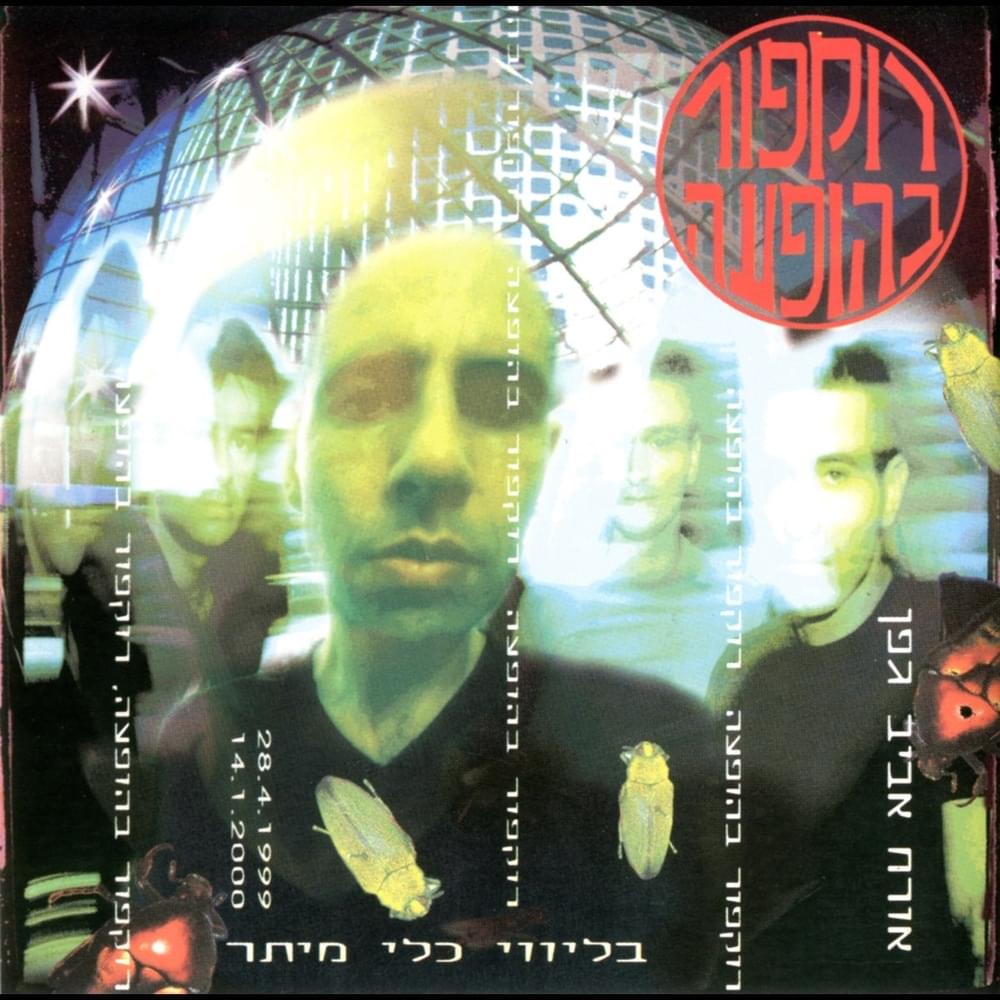
 View Artist