Song Meaning
The lyrics paint a picture of a fairytale that never quite arrives. We start with classic imagery: a king's son, a white horse, a princess asleep on a sunbeam. It feels like the setup for a grand story, a moment of idyllic potential. The scene is established with a sense of gentle wonder, a quiet unfolding of a dreamlike scenario in a forest setting.
The core tension emerges in the repeated question, "Why not, why not now? What will surely come only tomorrow." This refrain casts a shadow over the initial fairytale elements. It suggests a persistent yearning for something that remains just out of reach, a future happiness or resolution that is perpetually deferred. The contrast between the idyllic present and the anticipated but absent future creates a palpable sense of longing and impatience.
The most striking shift occurs when the narrator declares, "There wasn't, there wasn't / A white horse, a princess in the forest." The fairytale elements are explicitly dismantled, revealed as mere fantasy – "it was only a dream." This deconstruction is powerful, especially the line, "Not in happiness, but until today / There was no peace." It reframes the entire narrative, suggesting that the absence of peace is the underlying reality, and the fairytale was a fleeting, perhaps even deceptive, escape.
This lyrical construction is effective because it plays on our expectations of narrative resolution. The initial setup promises a classic story, but the lyrics subvert this by revealing the dreamlike nature of the desired outcome. The persistent question about *when* it will arrive, followed by the denial that the elements of that dream ever existed, highlights a deep-seated dissatisfaction. The final address to "Avshalom" (Absalom), likening him to a "summer dream," reinforces this theme of beautiful but ephemeral visions that ultimately leave a void, particularly the absence of peace.
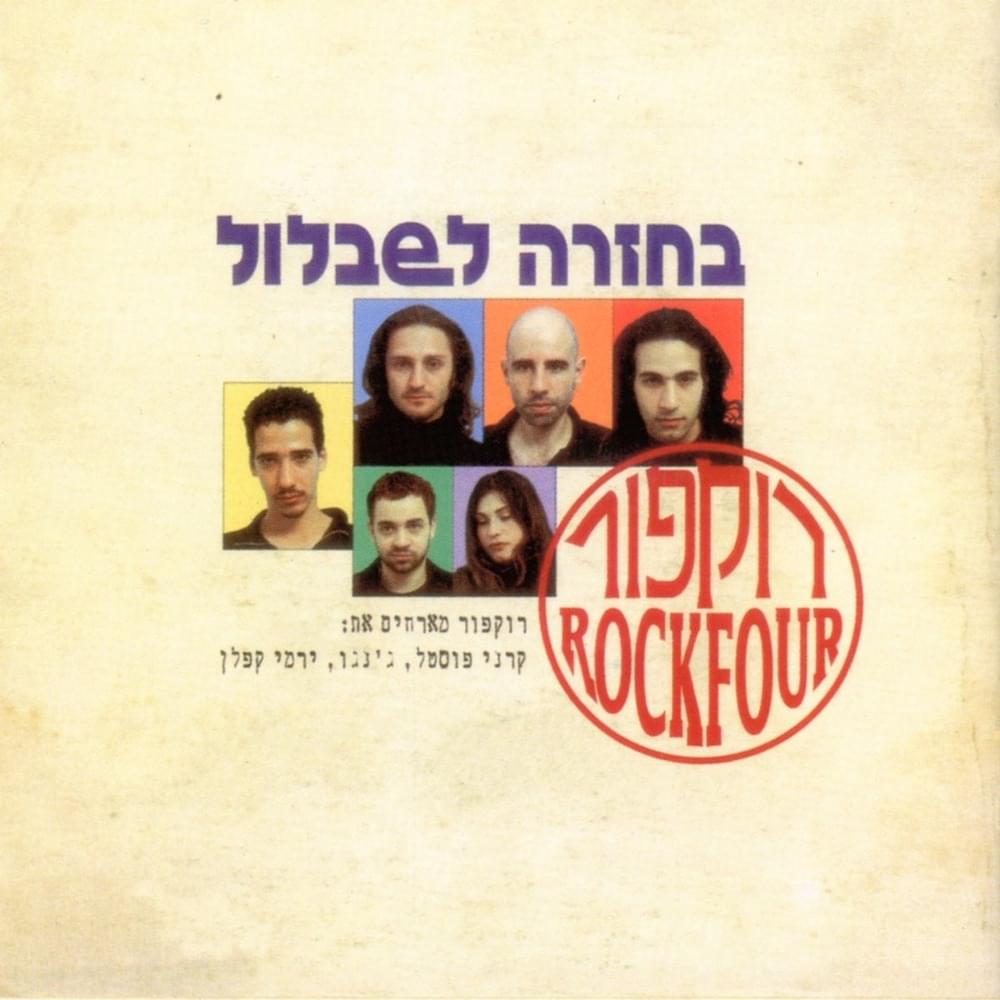
 View Artist