Song Meaning
The lyrics paint a vivid picture of anticipation for spring, personified as a vibrant force that promises renewal and romance. The opening lines immediately establish a scene of lively streets, with a woman swaying her hips and her blonde hair flowing, setting a tone of joyful expectation. This imagery suggests that spring's arrival isn't just a change in weather but a palpable shift in atmosphere, bringing with it a sense of liberation and perhaps a touch of intoxicating revelry, described as a "borrachera" or intoxication.
The central tension lies in the contrast between waiting and arrival, between the "nina de llorar" (girl of tears) and the transformative power of spring. The lyrics suggest that this coming season will mend broken connections, bringing back "old lovers" to embrace as they once did and reuniting "lost lovers" who will find each other again after being "in oblivion." This highlights a deep yearning for reconciliation and a belief in spring's ability to heal past hurts and rekindle lost affections.
The imagery of "dos barcos perdidos" (two lost ships) returning to sea after years asleep is particularly striking. It powerfully conveys the idea of rediscovery and a fresh start, suggesting that even those who have drifted apart or felt dormant can be brought back to life and purpose. Spring, with its "song" and "skirts of flowers," is presented as the catalyst for these new beginnings, capable of creating unforgettable loves, like the scent of orange blossoms ("azahar").
Ultimately, the effectiveness of these lyrics stems from their optimistic portrayal of nature's cyclical power to mend and inspire. The recurring motif of spring's inevitable arrival, coupled with concrete images of renewed connection and vibrant life, creates a hopeful narrative. It speaks to the universal human desire for second chances and the belief that a brighter, more loving future is always on the horizon, just waiting to arrive.
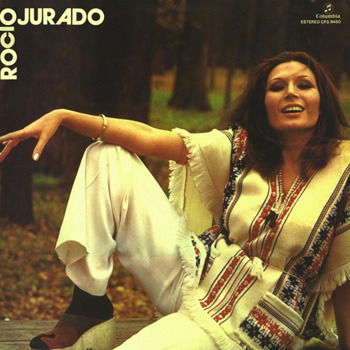
 View Artist