Song Meaning
The lyrics present a speaker making a series of seemingly humble requests to another person. There's an immediate tension between the declared "No te pido nada" and the intimate, almost desperate, pleas that follow. The central emotional texture is one of profound, self-sacrificing devotion, carefully framed as mere friendship.
The core conflict lies in the speaker's proclaimed desire to be "Solo ser tu amiga" while simultaneously offering a depth of emotional and physical intimacy that far exceeds platonic boundaries. This creates a poignant irony, suggesting a deeper, unacknowledged longing. The speaker actively chooses ignorance ("No quiero saberlo") about their true standing, preferring the illusion of control within a limited role.
The repeated phrase "No te pido nada" functions as a powerful, almost heartbreaking, rhetorical device. Each time it appears, it's immediately contradicted by specific, vulnerable requests: "que me dejes cuando esté dormida," "déjame cuidarte," "pídeme caricias." This constant undermining of the initial claim highlights the speaker's deep emotional investment and their struggle to articulate their true desires.
The lyrics are effective because they capture the painful reality of unrequited or suppressed love, where one person accepts a diminished role just to remain present. The willingness to "juega con mis sueños" and offer unconditional comfort, all under the guise of "solo ser tu amiga," creates a powerful sense of quiet suffering and unwavering loyalty. The final lines, "Con la puerta abierta de tu libertad," underscore this profound, selfless acceptance, making the speaker's position all the more heartbreaking.
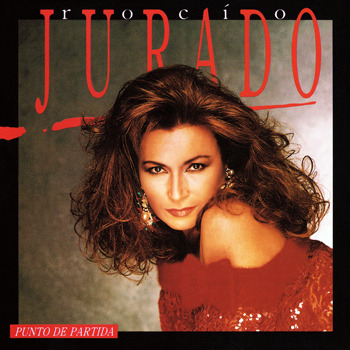
 View Artist