Song Meaning
The lyrics paint a poignant picture of a love that shattered not from neglect, but from its sheer intensity and overuse. The opening lines, "Se nos rompió el amor / De tanto usarlo," immediately establish a central paradox: love, usually strengthened by use, here breaks from being worn out. This isn't a tale of fading affection, but of a love so all-consuming it consumed itself.
The core tension lies in the contrast between the love's immense beauty and its inevitable demise. The narrator acknowledges its grandeur, "De tan grandioso," yet laments that "Las cosas tan hermosas duran poco." This fatalistic view is reinforced by the natural imagery of a flower never lasting "dos primaveras." The love was so potent, so all-encompassing, that it seems to have burned too brightly, leaving only fragments.
The most striking craft element is the personification of love as a physical object that can be broken through excessive handling, like a cherished possession. The imagery of "un buen día" love remaining "en las manos" and the visceral description of "Nos devoramos vivos / Como fieras" highlight the destructive nature of their complete surrender. This intense, almost violent consumption of each other ultimately led to the breaking point.
Ultimately, the lyrics resonate because they capture a specific, painful truth about passionate relationships: sometimes, giving everything can lead to nothing left. The unexpected "crujido / Frío y seco" upon waking to a "mañana gris" is a stark, sensory detail that crystallizes the moment of realization. The love didn't fade; it snapped, leaving behind the chilling silence of its absence, a consequence of its own overwhelming force.
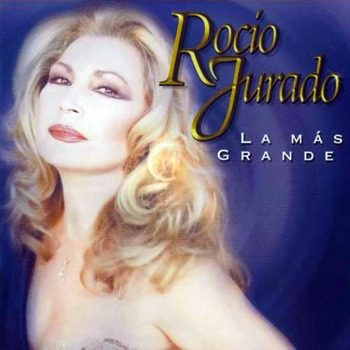
 View Artist