Song Meaning
The lyrics immediately plunge into a scene of weary waiting and profound emotional exhaustion. The narrator is caught between cursing and praying for a lover, signaling a deep, painful conflict. There's a palpable fear of confronting the truth about this person's whereabouts.
This internal battle is the core of the piece. The narrator expresses a desperate wish to "rajarme" or tear themselves apart to remove the "clavos de mi pena"—a visceral image of self-inflicted pain to escape emotional agony. Yet, this desire for release is immediately contradicted by an enduring, almost involuntary love, as affection "con la aurora te vuelve a esperar" or awaits the beloved again with each dawn. The conflict between wanting to escape and being drawn back is agonizingly clear.
The "Paloma negra" (black dove) emerges as a potent, ambiguous metaphor. Initially, it's a direct address, a plea to know "dónde andarás" or where the beloved might be. But the imagery deepens, transforming the beloved into "la reja de un penar," suggesting they are both the object of affection and the very prison of the narrator's suffering. This shift from a bird of freedom to an enclosure powerfully encapsulates the destructive nature of this love.
The lyrics are effective because they don't shy away from the brutal paradox of obsessive love. The narrator declares, "aunque te amo con locura, ya no vuelvas"—a stark rejection born of self-preservation, despite the intense love. This desire for freedom, to "vivir mi vida con quien yo quiera," is heartbreakingly undermined in the final lines, as the narrator cries, "Dios, dame fuerza que estoy llorando por irlo a buscar." This tragic surrender to an irresistible, self-destructive pull makes the emotional impact resonate deeply.
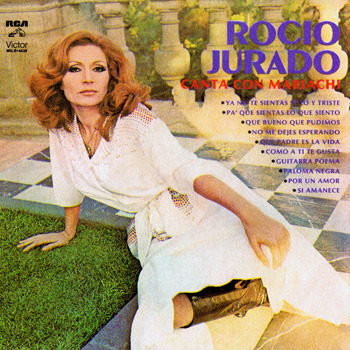
 View Artist