Song Meaning
The song opens with a defiant, almost celebratory "¡Ole con Ole! y Olé," immediately juxtaposed with the melancholic realization that "Que tu cariño se va." This initial contrast sets a tone of forced cheerfulness masking deep sadness, a common thread in laments of lost love. The recurring "Olé" feels less like genuine joy and more like a way to punctuate the pain, a rhythmic distraction from the inevitable departure.
The central tension lies in the narrator's struggle to accept a love that has faded, comparing it to the transient nature of "olas del mar." While the narrator commands the departing lover to "¡Vete!," there's an underlying hurt evident in the description of love as a dying flame "Dentro de mi corazón." The lyrics paint a picture of a love that was once vibrant, like "primavera," but has now withered into a scentless, empty "otoño."
The most striking craft element is the use of contrasting imagery to depict the relationship's decline. The narrator once "cortaba" the lover's "palabras embusteras" with kisses, suggesting a passionate, active role in overcoming doubts. Now, those same promises "se volaban" like they were carried away by the "viento de la noche," highlighting a shift from active engagement to passive, helpless observation of the love's disintegration.
This lyrical approach is effective because it grounds abstract feelings of heartbreak in concrete, relatable images. The shift from the energetic "Olé" to the quiet despair of a dying heart, and the contrast between cutting lies with kisses versus promises flying away on the wind, creates a powerful emotional arc. It captures the painful process of watching a relationship dissolve, transforming what might have been a simple breakup song into a nuanced portrait of love's ephemeral quality.
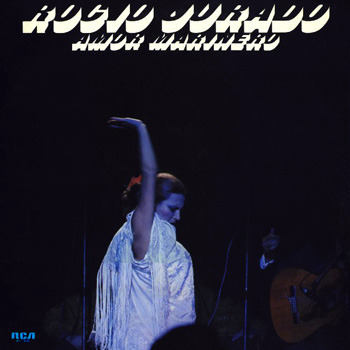
 View Artist