Song Meaning
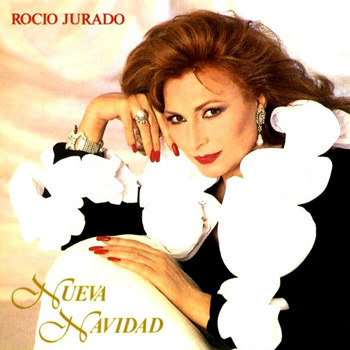
This lullaby paints a tender scene of a caregiver soothing a child to sleep. The opening lines, "En mis brazos, niño mio" (In my arms, my child), immediately establish an intimate and protective atmosphere. The narrator refers to the child as "blanco lucero" (white star), a beautiful image suggesting purity and a guiding light, while singing the "nana" (lullaby) and watching over the sleeping child. The dominant tone is one of gentle reassurance and deep affection.
The core of the song lies in its comforting promise against fear. The repetition of "La nana bien, la nana" (The lullaby well, the lullaby) reinforces the soothing ritual. The narrator directly addresses the child's potential fear with "Si duermes no tengas miedo" (If you sleep, don't be afraid). This simple, direct statement aims to dissolve any anxieties the child might have, creating a safe space for rest.
The most intriguing element emerges with the mention of the child Jesus. The narrator relays a message: "Que el niño Jesús me ha dicho / Que viene a enseñarte juegos" (That the child Jesus has told me / That he is coming to teach you games). This adds a layer of spiritual comfort and wonder, suggesting that sleep is not just an absence of fear but an invitation to divine play and learning. It elevates the lullaby from a simple song to a spiritual blessing, promising a gentle, joyful awakening.
The effectiveness of these lyrics stems from their profound simplicity and the unwavering tenderness they convey. The imagery of the "white star" and the promise of Jesus teaching games create a rich, comforting world for the child. The direct address and the repetition of the lullaby's phrase create a hypnotic, secure rhythm, making the listener feel the deep, protective love at the heart of this intimate moment.
 View Artist