Song Meaning
The lyrics paint a picture of a woman who has concluded a transactional relationship, asserting her independence and finality. She directly addresses someone, stating "Ná te debo, ná me pías" (I owe you nothing, you ask me for nothing), immediately establishing a clean slate. The dominant tone is one of resolute closure, tinged with a pragmatic acceptance of past exchanges. She insists "Tó te lo ha pagao mi carne morena" (My dark skin has paid you for everything), suggesting a physical or emotional debt has been settled, and urges the other person to forget past grievances: "No maldigas, payo, que estamos en paz" (Don't curse, white man, we are at peace).
The central tension lies in the narrator's self-definition as "la Bien Pagá" (the Well Paid). This moniker is not just a label but a declaration of her agency within the relationship. She acknowledges that her affections, specifically her "besos" (kisses), were exchanged for material gain: "Porque mis besos cobré / Y a ti me supe entregar / Por un puñao de parné" (Because I collected for my kisses / And knew how to give myself to you / For a handful of cash). This framing highlights a past where intimacy was commodified, and she was the one who profited, thereby settling the score.
The most striking aspect of the craft is the repeated assertion of having "lost everything" alongside the other person, "También a tu vera yo tó lo perdí" (Also by your side I lost everything). This contrasts sharply with her being "Bien Pagá." It suggests that while she received payment, the emotional cost was still significant, implying that the transaction wasn't entirely one-sided in its detriment. The final verse introduces a new love interest, but crucially, the kiss given to this new person is "El único beso que yo no vendí" (The only kiss I didn't sell), reinforcing her reclaimed autonomy and the distinct value she now places on her affections.
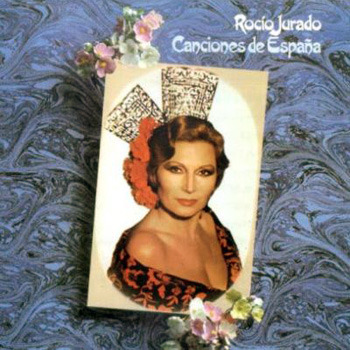
 View Artist