Song Meaning
The lyrics paint a vivid picture of love's passage, personified by a ticking clock that both laughs and cries. This 'clock of love' doesn't just mark time; it embodies the full spectrum of emotions that come with a relationship. The repetitive structure, emphasizing 'El reloj,' grounds the listener in this central metaphor, suggesting that time and love are inextricably linked, each moment a beat in the heart of the affair.
The progression through the hours reveals the shifting moods and stages of this love. Early hours, like 'a la una con la luna,' evoke a romantic, almost mystical atmosphere, filled with pleasant scents. However, this sweetness quickly gives way to darker emotions, as 'negro pelo, negra pena' suggests underlying sorrow or hardship. The narrator's confusion and doubt escalate by 'a las tres, ni sé quién eres,' culminating in the painful admission 'a las cinco, un "no me quieres"' that literally steals their breath.
The most striking aspect is how the lyrics juxtapose tender, sensory details with sharp emotional blows. The 'alba morada' and 'quiquiriquís' at 'a las seis' are beautiful natural images, but they are immediately followed by a 'puntada / De celos, amarga y honda'—a stab of jealousy. Similarly, the warmth of 'la canela / De tu piel junto a la mía' at 'a las once' is a moment of intimacy, but the clock continues to tick towards 'el mediodía,' implying the relentless march of time even within these loving moments.
Ultimately, the song's power lies in its ability to capture the ephemeral nature of love and happiness through the concrete imagery of passing hours. The clock's relentless movement mirrors the way emotions in a relationship can shift from profound joy to deep pain and back again, all within a single day. The narrator's journey through these hours, from romantic moonlit nights to the stark reality of rejection and the comfort of shared intimacy, makes the experience feel both deeply personal and universally understood.
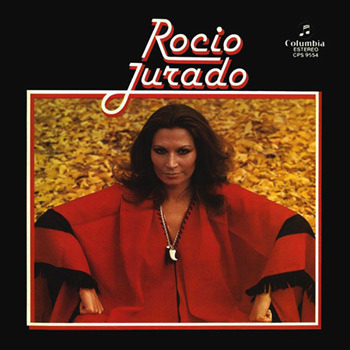
 View Artist