Song Meaning
The lyrics paint a stark picture of internal conflict and external pressure, personified by relentless, destructive forces within the self. A "wall" that "wants to smash your head" and a "door" that "wants to slam you shut" suggest an inescapable, self-defeating cycle. This internal struggle is amplified by a "law inside you" with an "enforcing sheriff" and a "man inside you" who "crashes you," indicating a loss of control and an inevitable downfall, regardless of one's emotional state.
The core tension arises from the paradox of "knowing time." This phrase, repeated with increasing urgency, seems to represent a grim realization or a fatalistic understanding of existence. It's not about chronological passage but a profound, perhaps painful, awareness that leads to these internal breakdowns. The narrator then shifts to an "eraser in my head," a desperate attempt to negate or forget, even while professing love and the ability to recall memories. This creates a poignant contrast between a desire for connection and the destructive internal forces at play.
The lyrics introduce a chilling metaphor of internal war, where "good guys" are pitted against "good," suggesting a futile, self-destructive conflict driven by obligation rather than genuine purpose. The line, "You can cut them down like weeds / But you'll never make them love you," highlights the futility of these battles and the impossibility of forcing affection. The repeated question, "Don't you know time?" becomes a plea or a taunt, implying that this painful awareness is the key to understanding the destructive patterns.
Ultimately, the effectiveness of these lyrics lies in their unflinching portrayal of internal chaos and the crushing weight of a perceived inescapable fate. The visceral imagery of physical destruction – smashed heads, slammed doors, crashing cars – combined with the abstract concept of "knowing time" creates a powerful, unsettling emotional landscape. The writing forces the listener to confront the idea that a certain awareness of existence can be inherently destructive, leading to a profound sense of loss and futility.
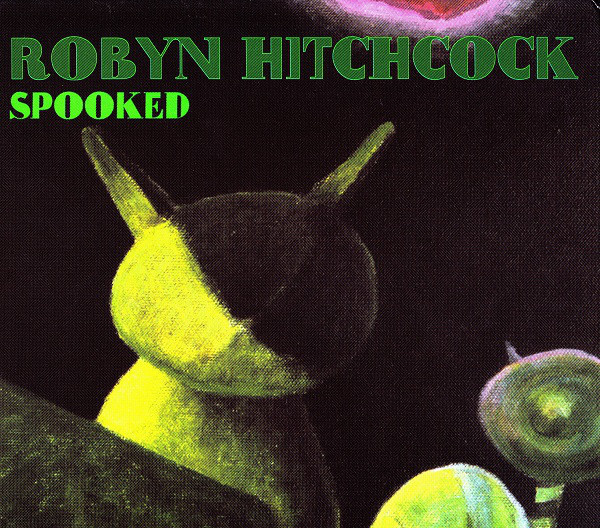
 View Artist