Song Meaning
The lyrics paint a stark picture of urban detachment and impending doom, beginning with a surreal image of a cloud shaped like two figures above a bus stop, suggesting a shared, perhaps doomed, connection. This is immediately contrasted with a gritty, almost debased scene on a viaduct, where the narrator is "covered in grease and lime and scales," murmuring thanks to the unfeeling elements. The repetition of "a happy bird is a filthy bird" acts as a dark, cynical mantra, hinting that true contentment or freedom comes at a cost of moral compromise or degradation.
The central tension emerges between a detached, almost voyeuristic observation of violence and the narrator's own grim, self-destructive trajectory. The soaring eagles checking instruments before bombing children, juxtaposed with the narrator's own violent imagery of "splash my cold enamel with blood" and setting a face in stone, reveals a disturbing parallel. The lyrics suggest a societal numbness, where distant atrocities on "cable" are consumed without affecting the immediate, localized sense of safety, even as personal destruction looms.
The most striking craft element is the recurring, unsettling refrain, "a happy bird is a filthy bird." This phrase functions as a dark aphorism, subverting the common notion of freedom and happiness. It implies that to be truly free or content in this world, one must embrace a kind of grime, a moral impurity, or perhaps a destructive instinct. The imagery of the "massacre on cable" versus the perceived safety "here" highlights a profound disconnect, where external horrors are normalized and consumed passively, allowing for a personal descent into a similar, albeit localized, form of violence or despair.
These lyrics resonate because they capture a specific kind of modern malaise: the feeling of being both intimately connected and profoundly isolated, aware of global suffering yet numb to its implications, and grappling with a personal darkness that feels both inevitable and self-inflicted. The writing forces a confrontation with the idea that happiness, in this context, might not be pure but rather a product of complicity or a descent into a "filthy" state, leaving the listener to ponder the true cost of contentment.
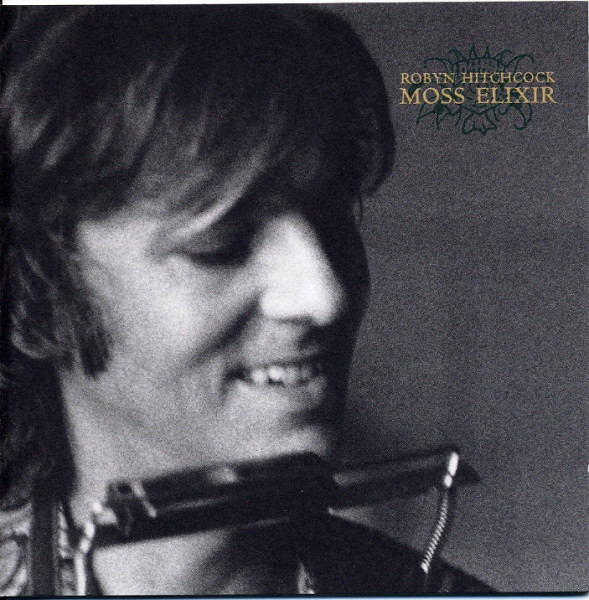
 View Artist