Song Meaning
The lyrics paint a stark picture of human struggle, opening with vivid images of people defined by their pain. We see the "mad" and the "sad," then the disoriented "lost" waking "covered in oil and permafrost" – a bizarre but effective image of being trapped and frozen. The narrator then shifts to those "maimed," suggesting a disconnect between inherent worth and external validation, perhaps hinting at societal or self-inflicted damage. These initial portraits establish a tone of profound alienation and suffering.
The central tension arises from the contrast between these deeply troubled individuals and the simple, repeated assertion that "everybody needs love." This refrain acts as an anchor, a universal truth offered in the face of specific, often harsh, realities. The lyrics present a spectrum of hardship, from emotional distress to physical or societal "maiming," and even the seemingly stable "straight" and "nice" people who are cautioned against being leaned on too hard. Regardless of their specific circumstances or perceived flaws, the underlying message is that love is a fundamental, unmet need.
The most striking craft element is the juxtaposition of abstract emotional states with concrete, often surreal, imagery. The phrase "oil and permafrost" is particularly memorable, creating a sensory overload that captures a feeling of being simultaneously stuck and exposed. The repetition of "no friends at all" amplifies the isolation of those who "won't mend," making the subsequent return of the "everybody needs love" refrain feel even more poignant. The brief, almost dismissive descriptions of the "straight" and "nice" people, followed by the same plea for love, suggest that even those who appear functional are not immune to this core human requirement.
Ultimately, the effectiveness of these lyrics lies in their directness and the unexpected universality they claim. By cataloging various forms of human brokenness, from the obvious to the subtly implied, the song builds a case for an essential, unifying need. The simple, almost childlike repetition of the chorus, punctuated by the "pa pa pa pa" vocalizations, transforms a profound statement into an almost primal chant, emphasizing that beneath all the complications and suffering, the desire for connection and affection remains constant.
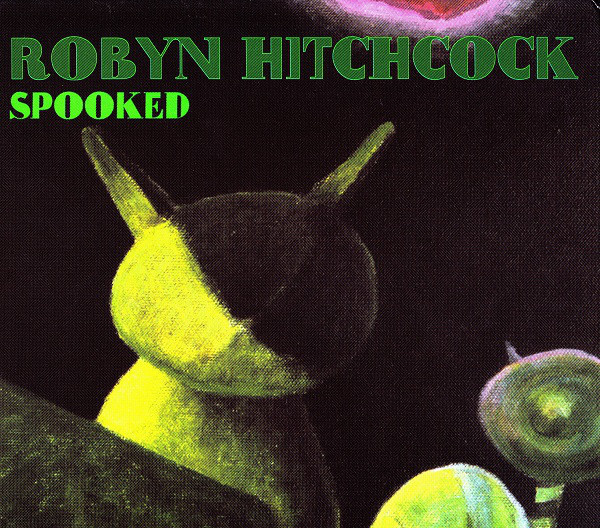
 View Artist