Song Meaning
The lyrics open with a stark plea, "Please never name yourself to me," immediately signaling a history of distrust and disillusionment. A sense of weariness pervades, even extending to "the moonlight," suggesting a world where truth is elusive. The recurring image of "cold harbour" emerges as a central, ominous presence.
Yet, this initial wariness quickly gives way to profound affection and relief. The narrator addresses a "you" with immense pride, recalling a time they "thought you had died / In cold harbour." This reveals a powerful emotional arc: a perceived loss, perhaps of a person or a vital part of the self, now overcome by a rediscovered connection. The "cold harbour" appears to be a metaphor for a period of stagnation or despair.
The craft here is subtle but impactful, particularly in the repetition and evolution of "cold harbour." It is not just a place, but a state of being that the narrator and their "dearest companions" are actively leaving. The insistent command to "moor no more moor no more" underscores a determined break from the past, urging a release of "what you have stored" – perhaps old pains or burdens.
What makes these lyrics resonate is the powerful sense of collective liberation. With "Mother and I" now singing, there is a shared understanding and a promise that "No one will be left behind" as they depart. The final, poignant description of "Cold harbour" as a "Hard hard haven" offers a nuanced understanding: it was a difficult refuge, a place endured, but ultimately, a place to be left behind for a future of unbroken companionship.
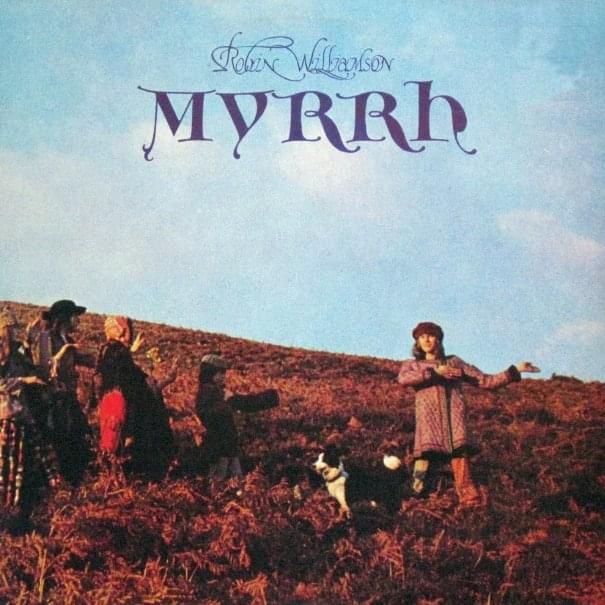
 View Artist