Song Meaning
The lyrics paint a picture of profound dissatisfaction with the current state of existence, a desperate search for escape. The repeated plea, "There's got to be a way of gettin' out this place we find we're in," establishes a tone of urgent yearning. This isn't just a mild discontent; it's a "bloody mess" from which escape feels paramount, hinting at a world fraught with struggle and perhaps even despair. The narrator's wife, "down on her blistered knees," embodies this suffering, her dreams of "Heart's Ease" a stark contrast to their harsh reality.
The central tension lies between this oppressive present and an idealized future. The narrator longs for a time of natural connection and universal brotherhood, where "there is enough love for you and me." This vision is ambitious, aiming to "take the world and shake the world," suggesting a desire for radical transformation rather than mere personal escape. Yet, this hopeful outlook is undercut by the recurring, almost accusatory, demand to the "seas" to "take back what you spawned anyway," implying a deep-seated resentment or a feeling that their existence itself is a mistake.
The most striking element is the juxtaposition of the mundane and the fantastical. The plea "Take my wife – please" sounds like a tired vaudeville punchline, but it immediately pivots to her "blistered knees" and dreams of "Heart's Ease." Later, "Take my life now" and "Take my heart now" escalate this, shifting from a plea for relief to a surrender or an offering. The "Children of the rainbow" and "Children of tomorrow" represent this hopeful, perhaps naive, future generation, living in the imagined sanctuary of "Heart's Ease," a place that seems perpetually out of reach.
Ultimately, the effectiveness of these lyrics stems from their raw, almost desperate, emotional honesty. The repeated refrains of wanting out and the imagery of suffering create a palpable sense of unease. The contrast between the bleakness of their present and the shimmering, almost mythical, "Heart's Ease" amplifies the yearning. It's this persistent, almost prayer-like, questioning of their very existence, coupled with a defiant hope for a better future, that makes the song resonate.
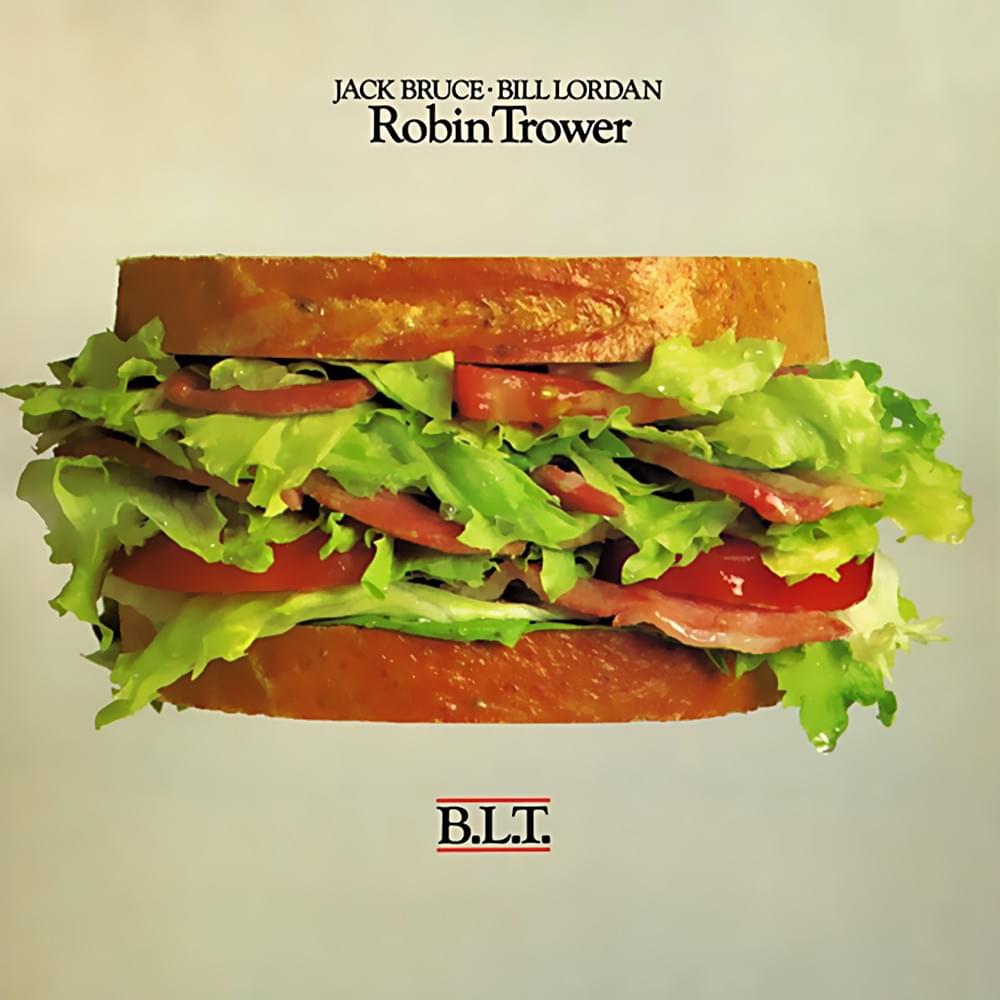
 View Artist